


Enter your email address below and subscribe to our newsletter

a pile of colorful dice

How to Build Scalable Apps Using AI APIs

Share your love

AI APIs have transformed how developers build applications. Instead of training complex machine learning models from scratch, teams can now integrate powerful AI capabilities—such as natural language processing, image generation, and speech recognition—through APIs.

However, building scalable apps with AI APIs requires more than just sending requests to a model endpoint. AI workloads are compute-intensive, latency-sensitive, and cost-driven. Without proper architecture, performance and expenses can spiral quickly.

This guide explains how to design scalable, resilient, and cost-efficient applications using AI APIs in 2026.


Why Scalability Matters in AI-Powered Apps

AI APIs introduce unique challenges:

  • High compute costs per request
  • Variable latency depending on model complexity
  • Rate limits imposed by providers
  • Token-based billing models
  • Burst traffic from user growth

Applications powered by AI must be architected for:
  • Elastic scaling
  • Intelligent request handling
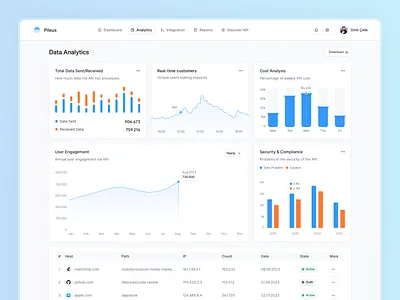
  • Observability and monitoring
  • Security and governance

Step 1: Choose the Right AI API Strategy

Image
Image
Image
Image

Popular AI API providers include:

  • OpenAI – General-purpose AI models for text, code, image, and multimodal tasks.
  • Google – AI services integrated with cloud infrastructure.
  • Microsoft – Enterprise-grade AI integration via cloud services.

When selecting an AI API, evaluate:

  • Model capability vs. cost
  • Token pricing structure
  • Latency performance
  • Rate limits
  • Enterprise security features

Choose models aligned with your use case—don’t overpay for unnecessary complexity.


Step 2: Implement Asynchronous Architecture

AI API calls may take longer than standard database queries. Avoid blocking user interfaces.

Best Practices:

  • Use asynchronous request handling
  • Implement background job queues (e.g., task workers)
  • Provide real-time streaming responses when available
  • Use message brokers for decoupled services

This improves responsiveness and prevents server bottlenecks.


Step 3: Use Caching Strategically

Not all AI responses need to be regenerated.

Cache When:

  • Queries are repetitive
  • Content is non-personalized
  • Summaries or templates are reused
  • Embeddings are static

Techniques include:

  • In-memory caching (Redis)
  • CDN caching for AI-generated content
  • Vector database caching for semantic search

Caching reduces both cost and latency.


Step 4: Manage Rate Limits and Throttling

AI providers enforce API rate limits.

Implement:

  • Request queuing
  • Backoff retry strategies
  • Adaptive throttling
  • Usage tracking dashboards

Design for graceful degradation—don’t let rate limit errors crash your application.


Step 5: Optimize Token Usage

Most AI APIs charge per token processed.

To control costs:

  • Shorten prompts
  • Use structured prompts
  • Avoid sending unnecessary context
  • Trim conversation history intelligently
  • Use embeddings instead of full model calls where appropriate

Efficient prompt engineering directly impacts scalability.

Step 6: Deploy with Cloud-Native Scalability

Image
Image
Image
Image

Modern AI-powered apps often use:

  • Containerized microservices
  • Kubernetes orchestration
  • Serverless functions
  • Auto-scaling groups

Cloud providers like Amazon Web Services and Microsoft Azure offer auto-scaling infrastructure ideal for AI workloads.

Separate AI inference logic from frontend services to isolate scaling.


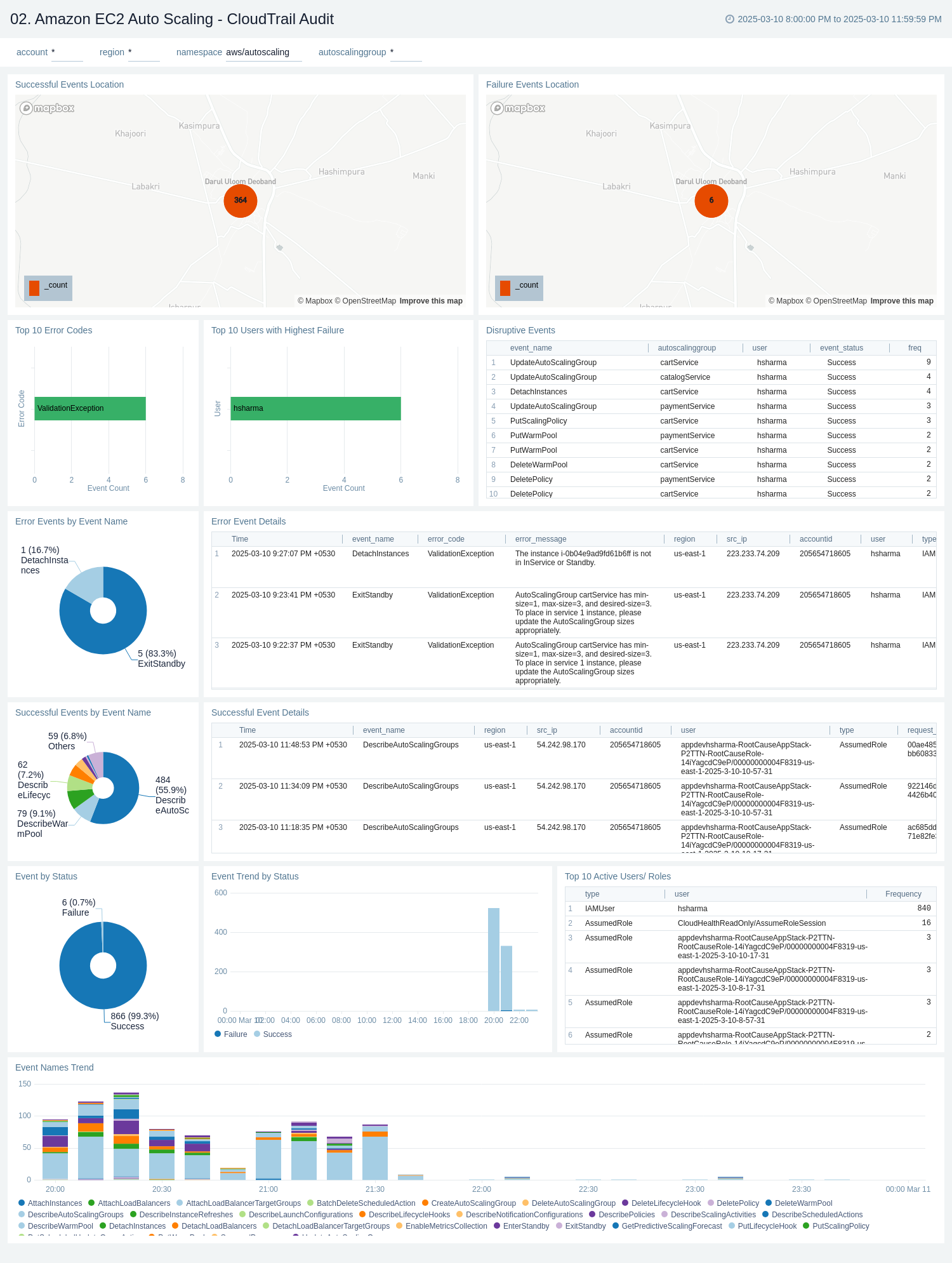
Step 7: Monitor Performance and Costs in Real Time

Scalable apps require visibility.

Track:

  • API latency
  • Error rates
  • Token consumption
  • Cost per user
  • Model performance metrics

Use observability tools to detect anomalies early.


Step 8: Implement Strong API Security

AI APIs expose valuable compute and data.

Security best practices include:

  • OAuth-based authentication
  • Short-lived tokens
  • Rate limiting
  • Role-based access control
  • Secret management systems

Never expose API keys in frontend code.


Step 9: Design for Failure

AI APIs can experience:

  • Temporary downtime
  • Latency spikes
  • Model version updates

Prepare fallback mechanisms:

  • Cached responses
  • Graceful error messaging
  • Alternative model tiers
  • Circuit breaker patterns

Resilience is key to scalability.


Step 10: Use AI Agents Carefully

AI agents that call multiple APIs autonomously increase complexity.

To scale safely:

  • Restrict tool permissions
  • Log all agent actions
  • Implement execution limits
  • Sandbox high-risk operations

Autonomous systems must operate within controlled boundaries.


Common Architecture Pattern for Scalable AI Apps

  1. Frontend → API Gateway
  2. Backend Service Layer
  3. Task Queue / Worker
  4. AI API Integration
  5. Caching Layer
  6. Monitoring & Logging
  7. Database / Vector Store

This layered design ensures separation of concerns and flexible scaling.


Cost Management Strategies for AI Apps

AI APIs can become expensive at scale.

Control costs by:

  • Using smaller models when possible
  • Switching between models dynamically
  • Batch processing non-urgent tasks
  • Monitoring token efficiency
  • Applying user-based usage limits

Scalability includes financial sustainability.


Conclusion: Building for Growth in the AI Era

Building scalable applications using AI APIs requires thoughtful architecture, performance optimization, cost management, and security planning.

AI APIs provide extraordinary capabilities—but scalability depends on how intelligently they are integrated into your system.

Developers who adopt asynchronous patterns, caching strategies, cloud-native infrastructure, and observability tools will build AI-powered applications that can grow sustainably in 2026 and beyond.

AI makes apps smarter. Smart architecture makes them scalable.


Share your love
SHEABUL ISLAM
SHEABUL ISLAM
Articles: 34

Leave a Reply

Your email address will not be published. Required fields are marked *

Stay informed and not overwhelmed, subscribe now!