Breaking News




Popular News





Enter your email address below and subscribe to our newsletter
AI News

Software-as-a-Service (SaaS) has always been about automation and scalability. But in 2026, a new layer of transformation is underway: autonomous AI agents.
Unlike traditional automation tools or chatbots, autonomous AI agents can reason, plan, execute tasks, and interact with multiple systems with minimal human supervision. For SaaS companies, this marks a fundamental shift—from building tools users operate manually to building intelligent systems that act on users’ behalf.
This article explores how autonomous AI agents are reshaping SaaS products, business models, and operational strategies.
Autonomous AI agents are goal-oriented systems capable of:
Powered by advanced APIs from organizations like OpenAI, these agents go beyond conversational interfaces and operate as execution engines inside SaaS platforms.


Traditional SaaS products require users to:
Autonomous AI agents shift this paradigm:
The result? SaaS platforms become intelligent operators—not just software tools.
AI agents now:
Unlike basic chatbots, these agents manage end-to-end support workflows.
Autonomous agents can:
Sales teams increasingly rely on AI agents for repetitive yet high-impact tasks.


SaaS infrastructure benefits from AI agents that:
This reduces downtime and operational overhead.
AI agents integrated with payment platforms such as Stripe can:
Finance teams gain proactive insights rather than reactive reporting.
AI agents embedded in analytics platforms can:
SaaS leaders gain continuous, automated business intelligence.
Autonomous AI agents are reshaping SaaS economics.
Instead of charging per seat, SaaS companies may charge based on:
AI agents deliver measurable outcomes.
AI agents lower:
Margins improve when automation scales.
SaaS platforms that integrate intelligent agents become:
This creates stronger customer retention.
Despite benefits, autonomous AI integration introduces new risks:
Agents interacting with APIs must be sandboxed and permission-controlled.
Autonomous decisions require monitoring and auditing.
High API usage can increase operational expenses.
Not all processes should be fully autonomous—human oversight remains critical.

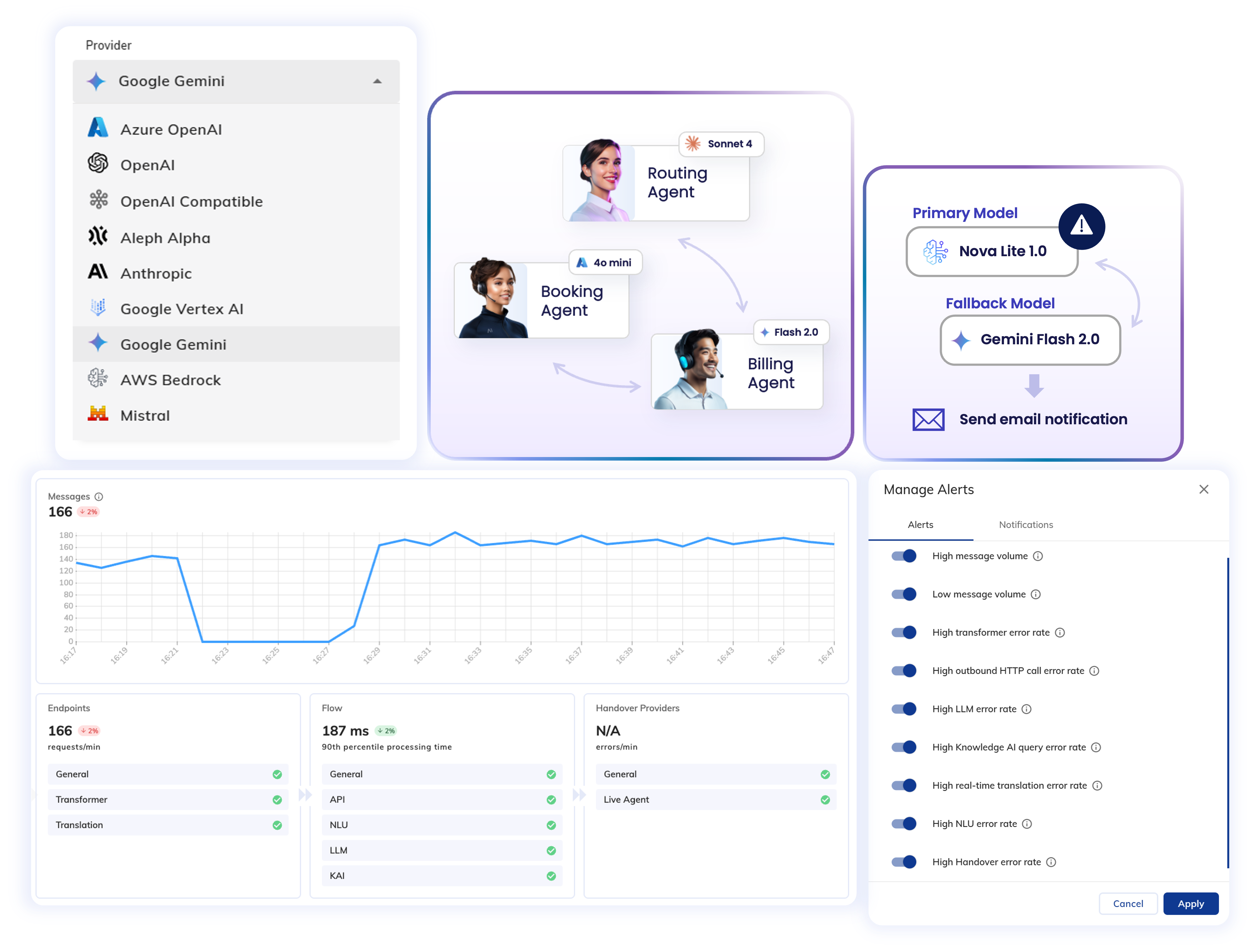

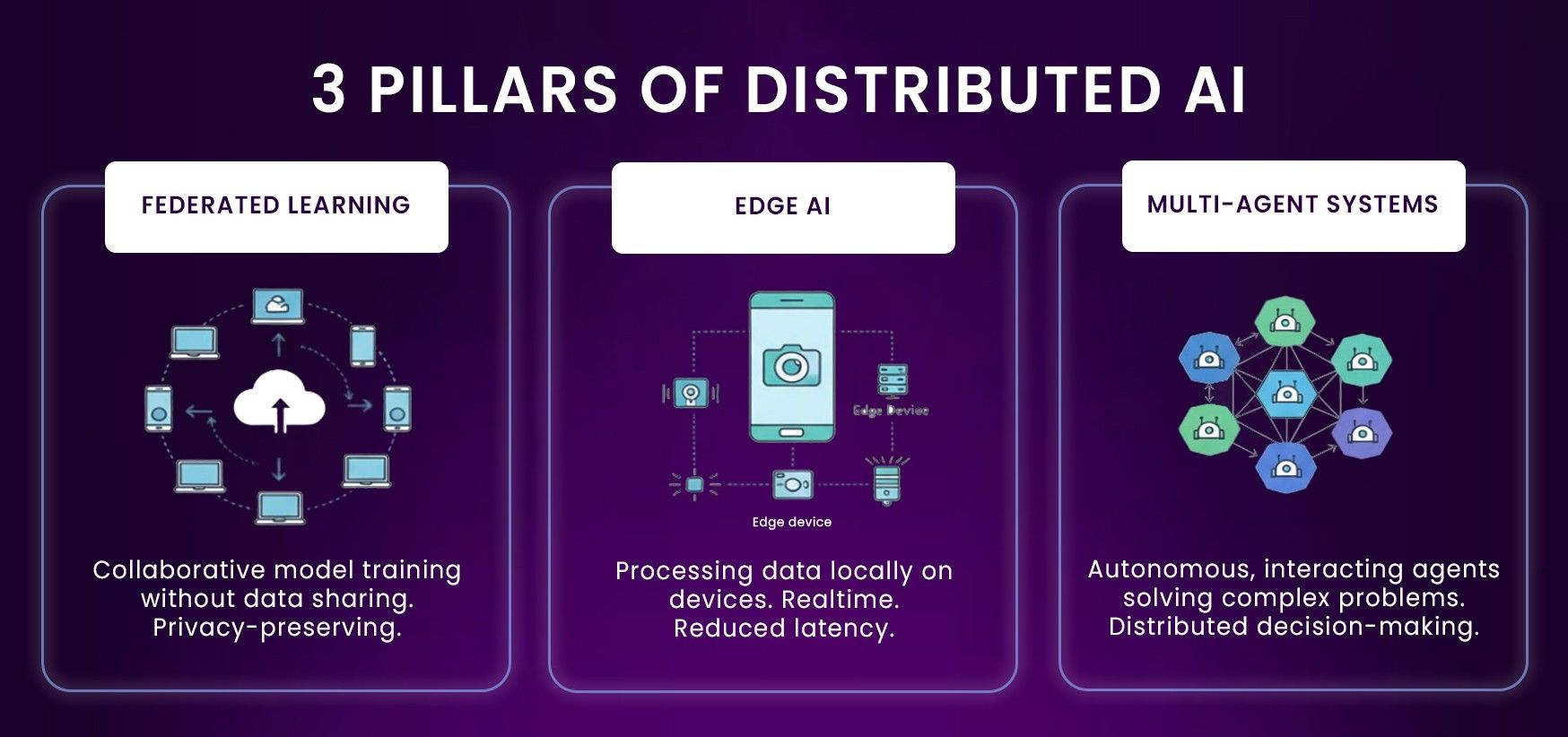
Many SaaS platforms now adopt multi-agent systems, where:
This modular design improves scalability and reliability.
If you’re building or evolving a SaaS platform:
Gradual integration ensures safe scaling.
Autonomous AI agents represent a fundamental shift in SaaS evolution.
Instead of delivering tools that require manual interaction, modern SaaS platforms are becoming intelligent systems that act, monitor, and optimize continuously.
Companies that embrace agent-driven automation will likely gain advantages in efficiency, personalization, and scalability.
The future of SaaS isn’t just cloud-based—it’s autonomous.