Breaking News



Popular News





Enter your email address below and subscribe to our newsletter
AI News

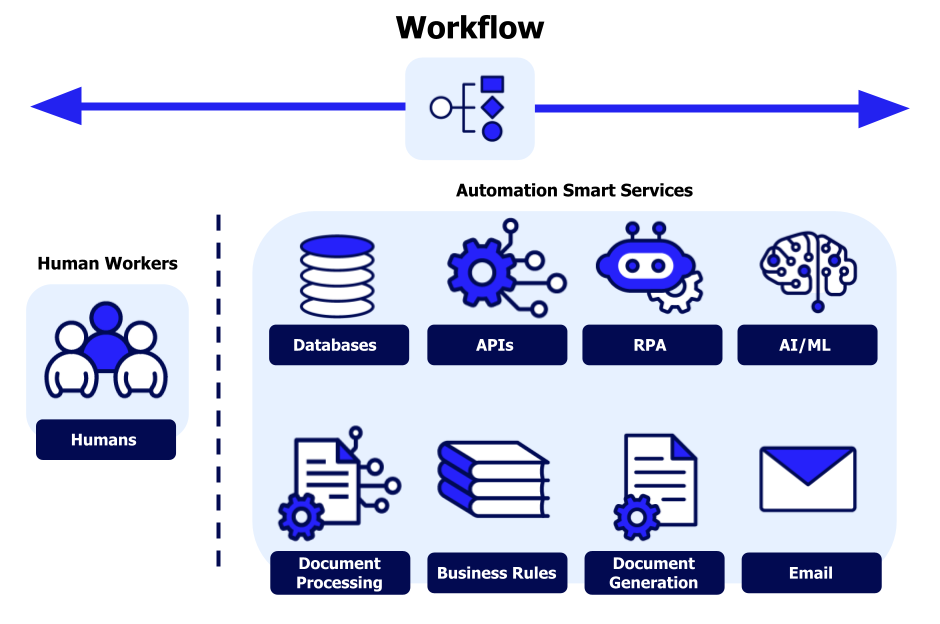
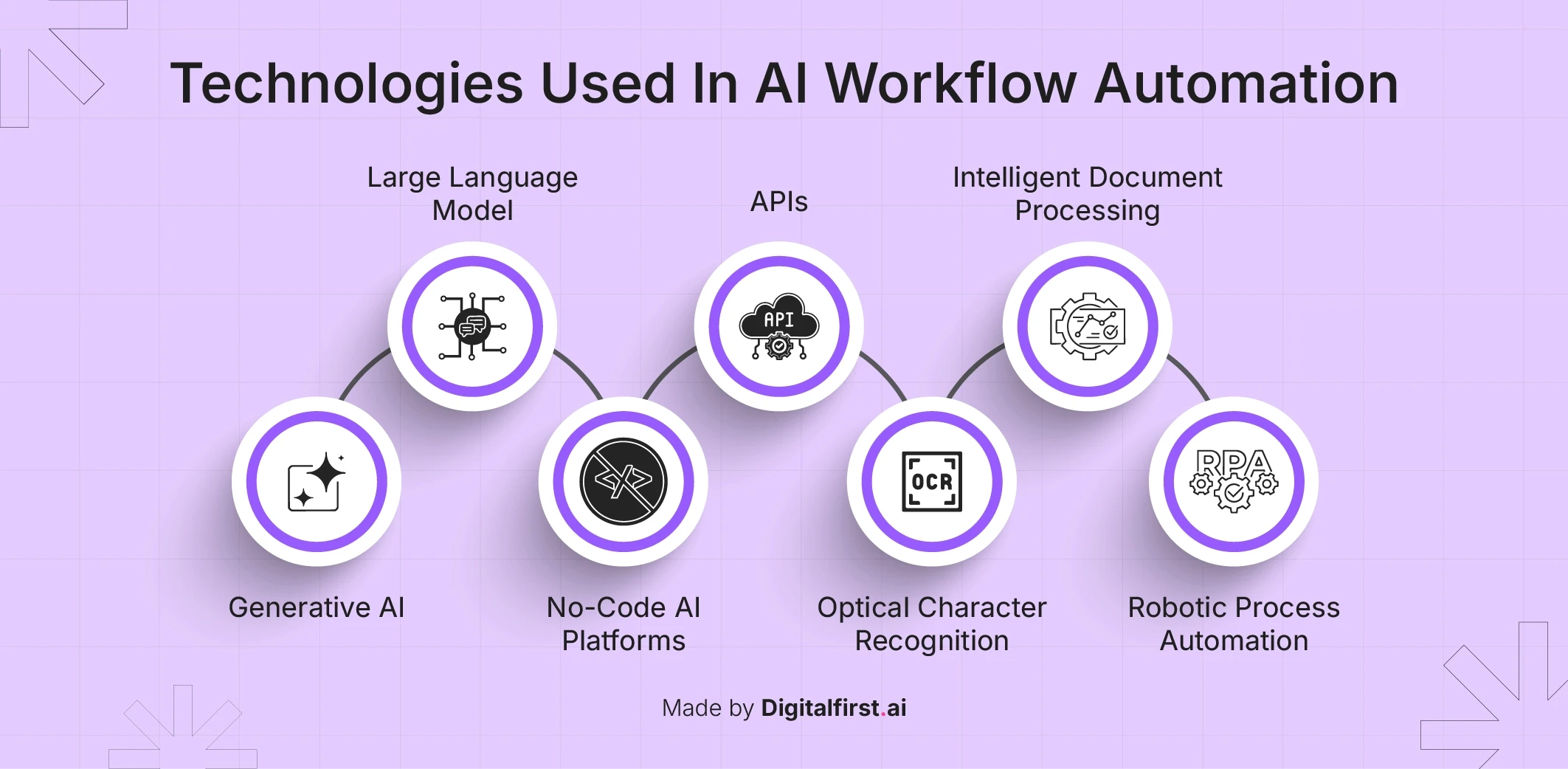
AI agents are rapidly becoming the backbone of modern automation. In 2026, businesses are no longer just experimenting with AI assistants—they’re deploying autonomous systems capable of planning, executing, and optimizing complex workflows.
From enterprise SaaS to developer tooling, AI agent platforms are transforming productivity across industries.
This guide explores the best AI agent platforms for automation in 2026, comparing their strengths, capabilities, and ideal use cases.
Before diving into specific platforms, here are the core features to look for:
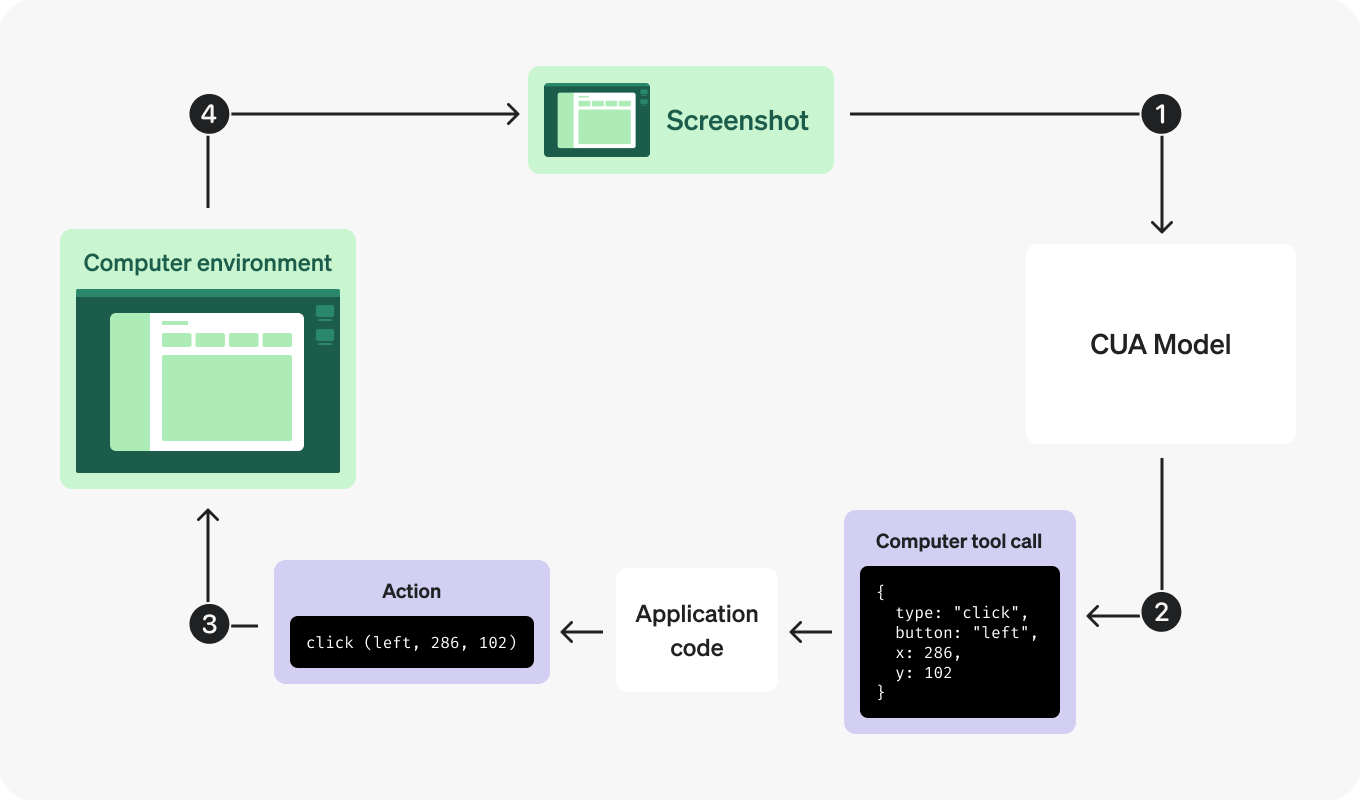
AI agents must go beyond conversation—they must execute.

Provider: OpenAI
The OpenAI platform remains one of the most powerful foundations for AI agent development.
OpenAI provides flexibility for startups and enterprises building AI-native products.
Provider: Microsoft
Microsoft has integrated AI agents deeply into enterprise ecosystems.
Organizations already operating within Microsoft ecosystems benefit from seamless integration.

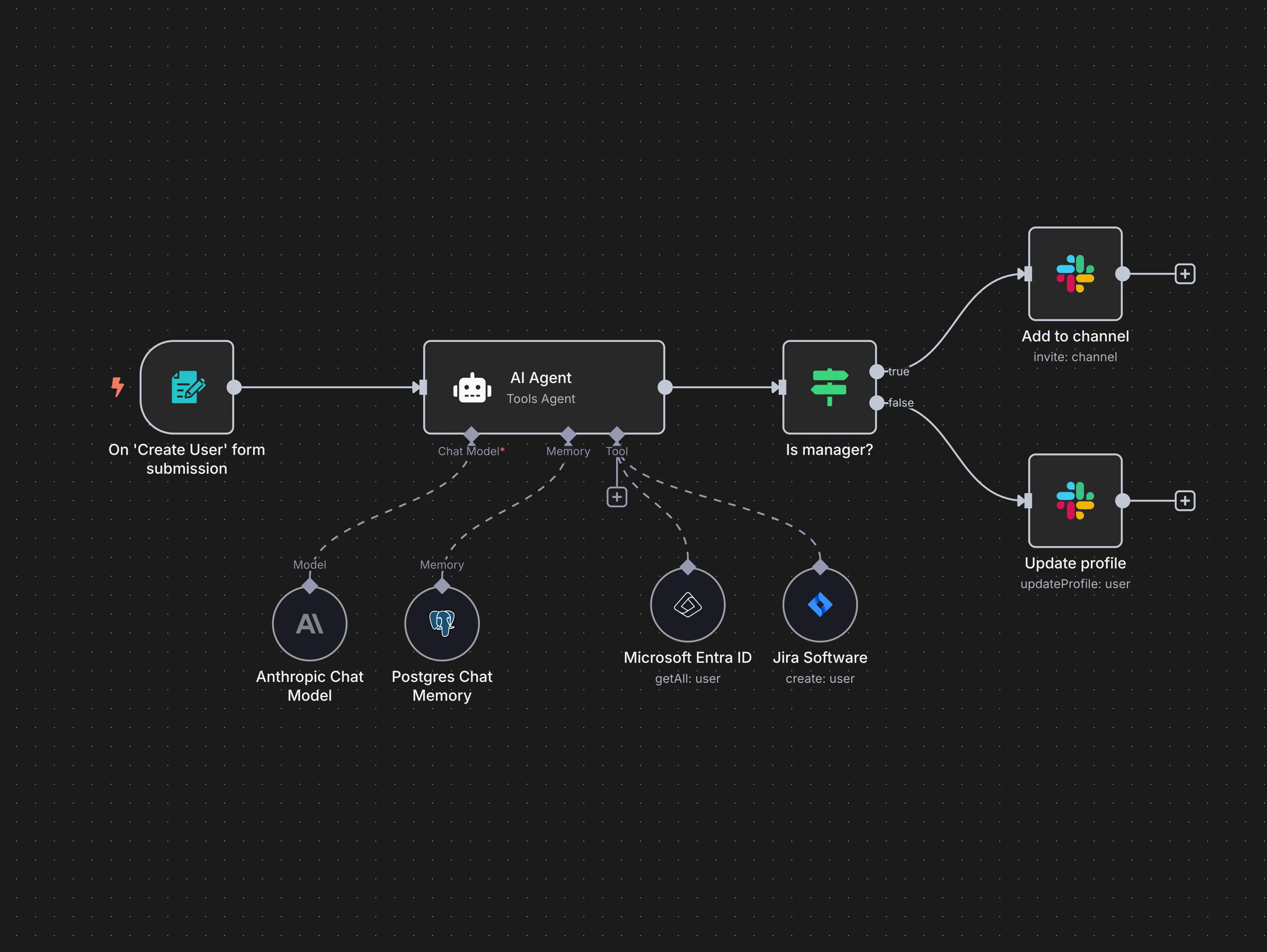
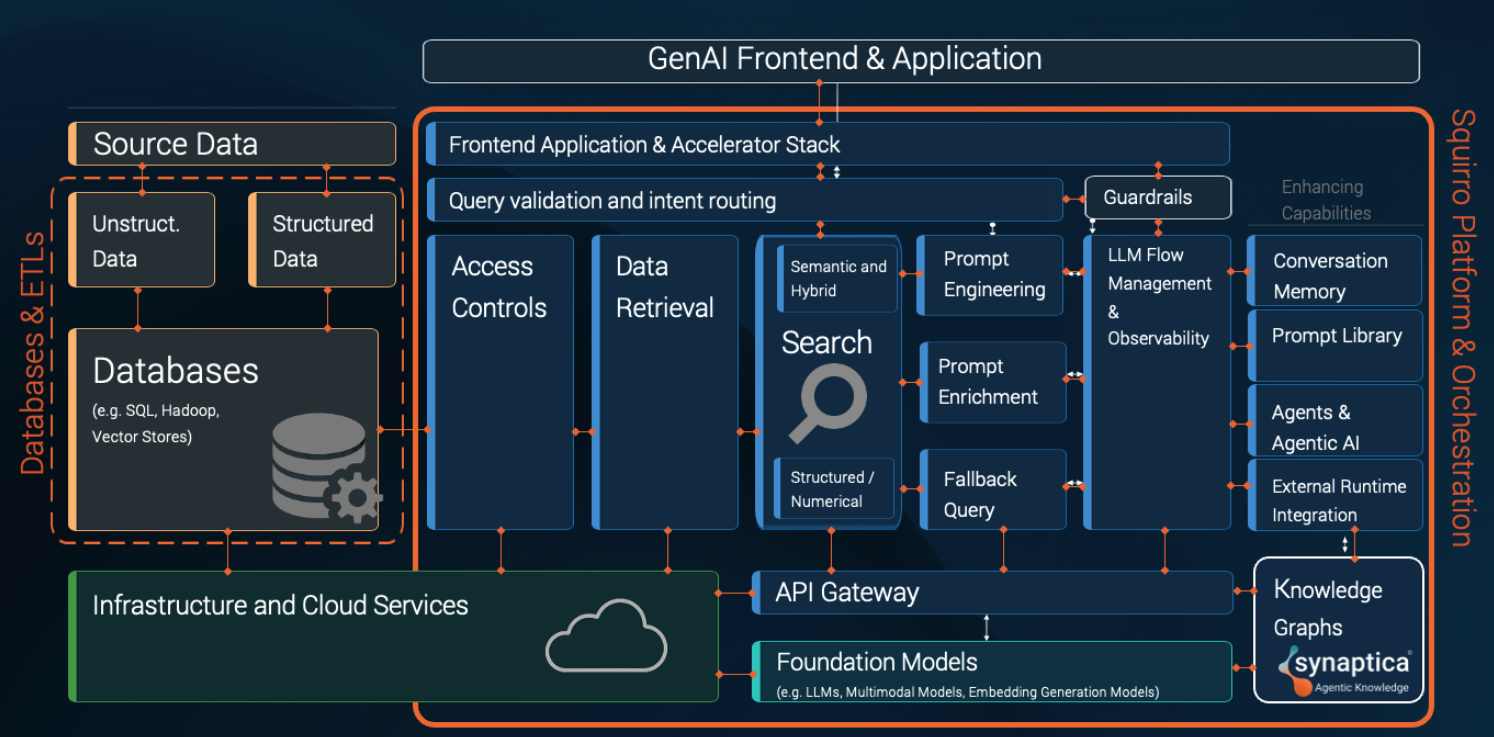
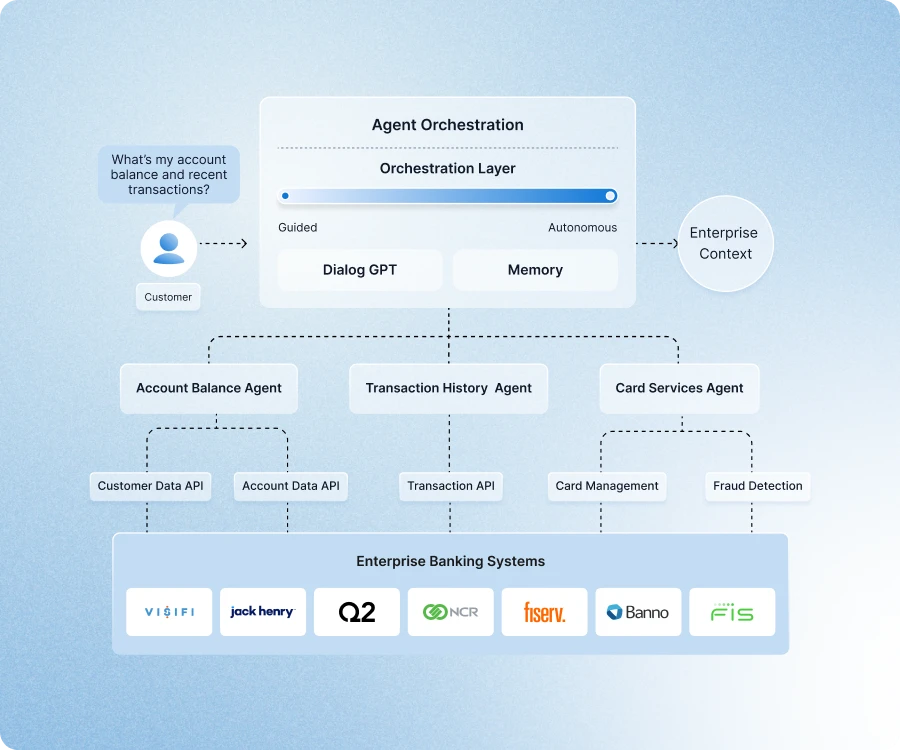
Provider: Google
Google’s Vertex AI enables enterprise-grade AI model deployment and orchestration.
Ideal for companies deeply invested in Google Cloud infrastructure.
Provider: Anthropic
Anthropic emphasizes safe and reliable AI agent capabilities.
Claude-based systems are often favored in regulated industries.

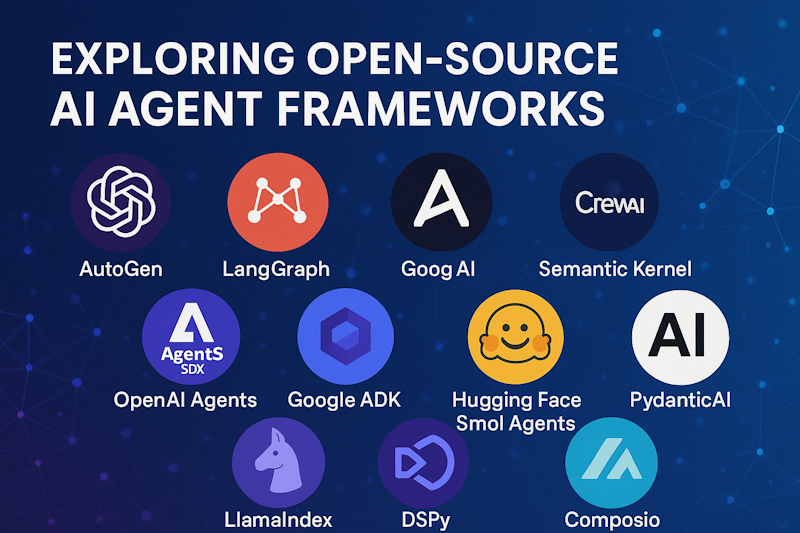


Provider: LangChain
LangChain is one of the most widely adopted open-source frameworks for building AI agents.
Highly flexible but requires engineering expertise.
Provider: Microsoft
AutoGen is a research-focused multi-agent orchestration framework.
| Platform | Best For | Ease of Use | Customization | Enterprise Security |
|---|---|---|---|---|
| OpenAI | SaaS & custom agents | High | High | Strong |
| Microsoft Copilot Studio | Enterprise automation | Very High | Medium | Excellent |
| Google Vertex AI | Data-heavy AI systems | Medium | High | Excellent |
| Anthropic | Compliance & research | Medium | Medium | Strong |
| LangChain | Developer frameworks | Medium | Very High | Depends on setup |
| AutoGen | Multi-agent experiments | Low | High | Research-oriented |
Platforms increasingly support multiple agents working together.
Security and compliance are now core features—not add-ons.
Non-technical teams can build automation agents.
Organizations combine proprietary and open-source tools.
The best AI agent platform depends on your goals:
AI agents are no longer experimental—they are becoming operational infrastructure.
Businesses that adopt agent-based automation thoughtfully will unlock higher productivity, lower operational costs, and faster decision-making.