Breaking News
Popular News


Enter your email address below and subscribe to our newsletter
AI News
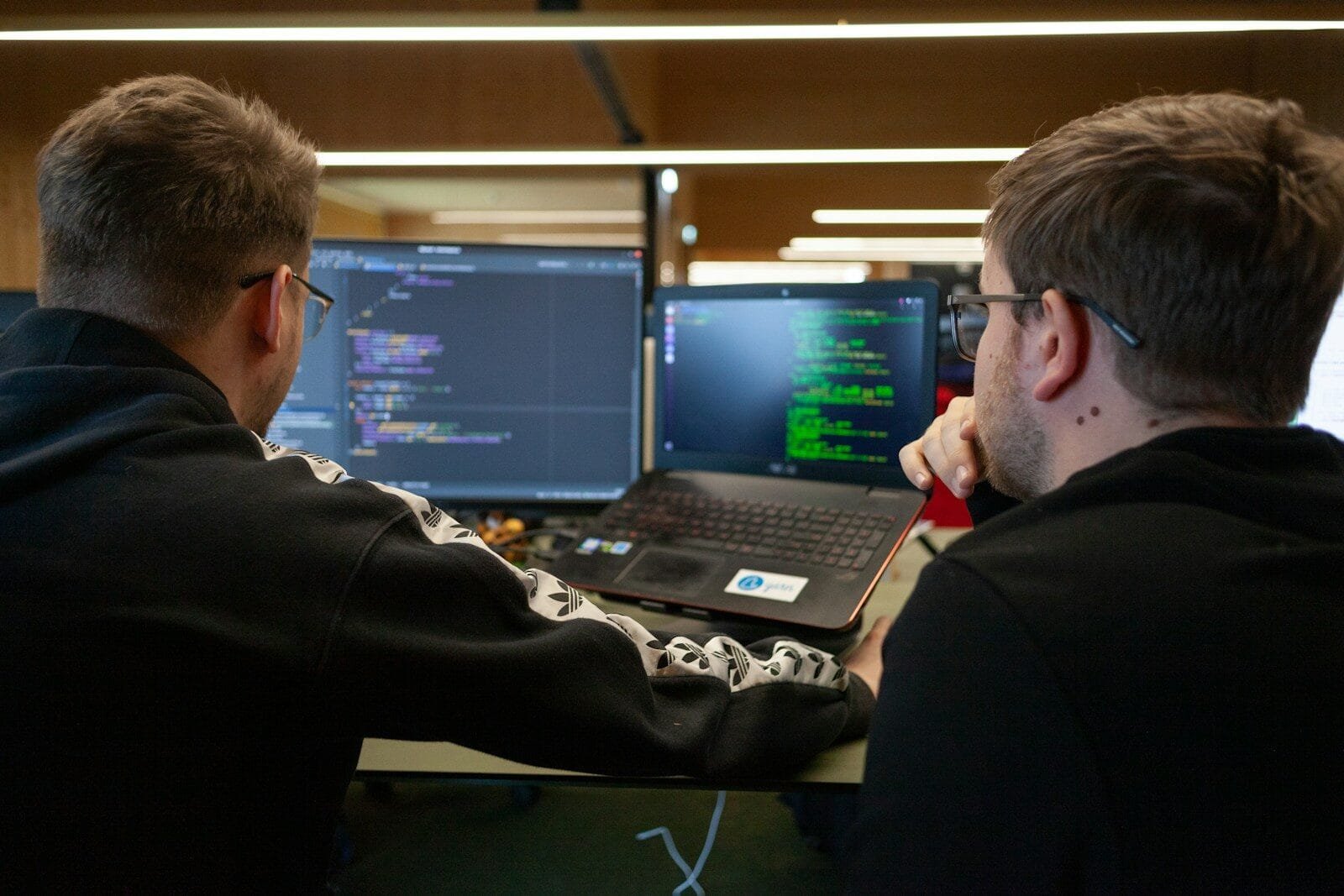
Artificial intelligence has rapidly evolved from assisting with simple code suggestions to generating full applications, debugging complex logic, and automating documentation. In 2026, AI-powered coding assistants are deeply embedded in modern development workflows.
This rapid progress has sparked a pressing question across the tech industry:
Can AI replace developers?
The short answer: not entirely.
The realistic answer: AI is transforming the role of developers—but not eliminating it.
This article explores the current capabilities of AI coding systems, their limitations, and what software engineering looks like in 2026.


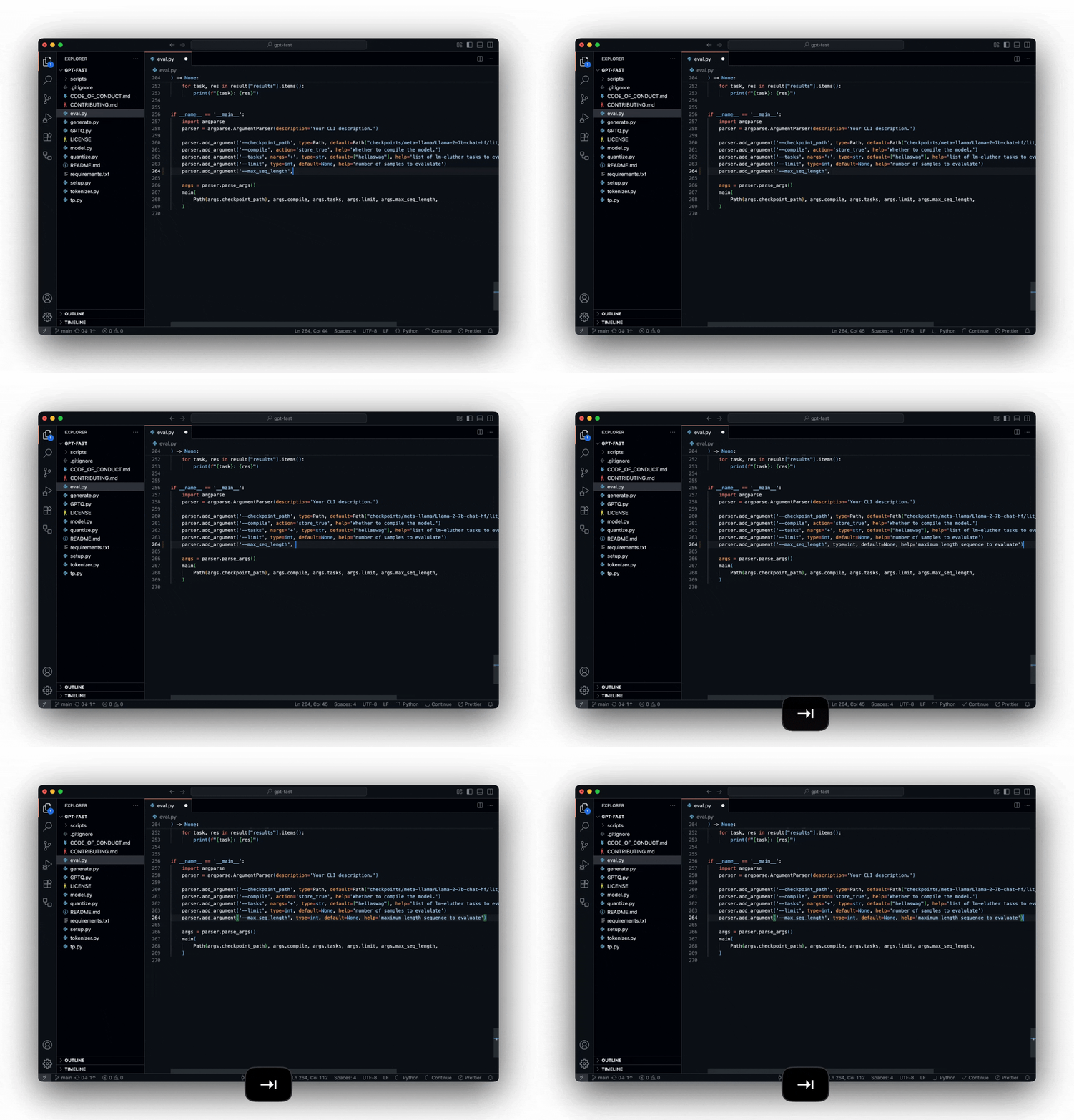
AI development tools have advanced significantly in recent years. Systems powered by large language models can now:
Tools integrated into platforms from companies like Microsoft and model providers such as OpenAI have made AI-assisted development mainstream.
For many developers, AI is now a co-pilot rather than a novelty.
AI excels at repetitive coding work:
This reduces development time significantly.
Developers using AI assistants often report:
AI handles syntax and structural suggestions, allowing engineers to focus on architecture and logic.
AI tools act as real-time tutors by:
This lowers the barrier to entry into software development.
Despite impressive capabilities, AI systems have critical limitations.
AI struggles with:
Developers must provide oversight and validation.
AI-generated code can introduce:
Human review remains essential for secure deployment.
Software engineering is not just writing code—it’s defining problems, designing scalable systems, and balancing technical trade-offs.
AI assists execution, but strategic thinking remains human-driven.
Rather than replacing developers, AI is reshaping their responsibilities.
Developers increasingly:
Coding is becoming more about supervision and refinement.
As AI handles low-level tasks, human engineers concentrate on:
High-level problem solving becomes more valuable.
AI literacy is now a core skill.
Developers must understand:
AI collaboration is becoming part of the standard engineering toolkit.


Historically, automation shifts job roles rather than eliminating them entirely.
In 2026:
The net effect appears to be transformation rather than replacement.
Advanced AI models are improving rapidly, but fully autonomous software development faces barriers:
Software development is deeply collaborative and context-driven—areas where human judgment remains critical.
In 2026, developers who thrive are those who:
AI enhances human capability rather than eliminating it.
The narrative that AI will replace developers oversimplifies a more nuanced reality.
AI in 2026 is a powerful assistant—capable of accelerating coding, reducing repetitive tasks, and improving productivity. However, strategic thinking, architectural design, ethical oversight, and contextual judgment remain deeply human strengths.
The future of software engineering is not human vs. AI.
It is human + AI.
Developers who adapt to AI-augmented workflows will likely become more productive, more strategic, and more valuable in the evolving tech ecosystem.