Breaking News



Popular News





Enter your email address below and subscribe to our newsletter
AI News

Artificial intelligence has moved far beyond simple chat interfaces. In 2026, AI agents are no longer just assistants answering prompts—they are becoming autonomous digital workers capable of executing tasks, managing workflows, and driving business outcomes with minimal supervision.
This evolution marks one of the most significant shifts in the AI landscape since the rise of large language models.
But what exactly has changed? And how close are we to fully autonomous AI workers?
Let’s break it down.


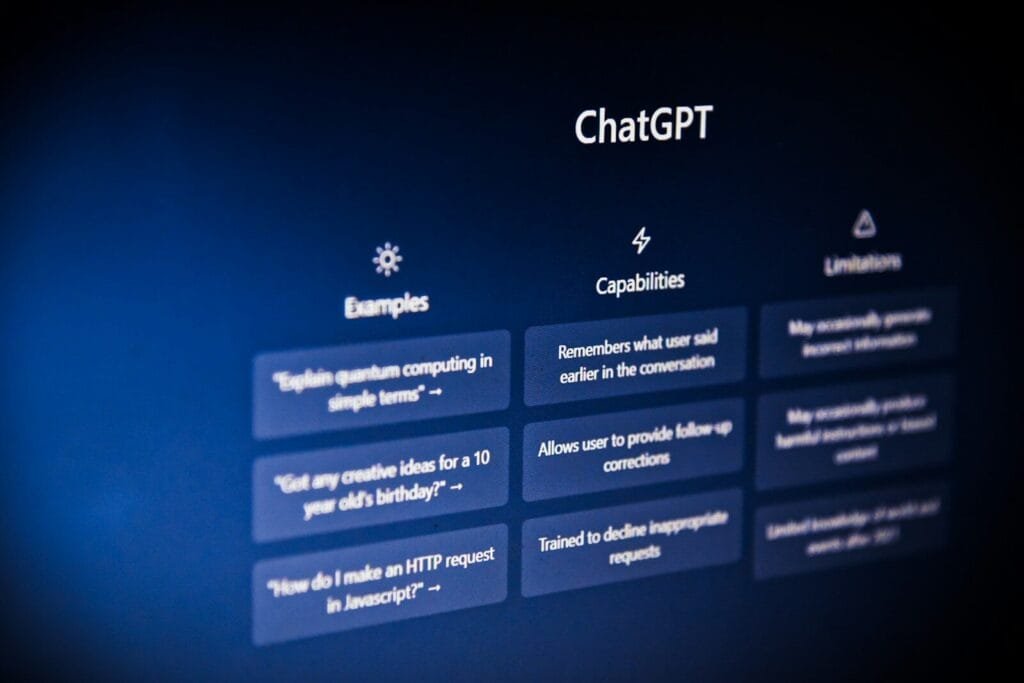
In the early days, AI tools primarily functioned as conversational assistants. They could:
Platforms powered by organizations like OpenAI made AI widely accessible.
However, these systems were reactive—they waited for user input and responded accordingly.
By 2026, AI agents can now:
The shift is from responding to acting.
Autonomy in AI doesn’t mean unlimited independence. Instead, it refers to systems that can:
These capabilities are supported by:
AI agents operate within guardrails—but with greater freedom than traditional assistants.
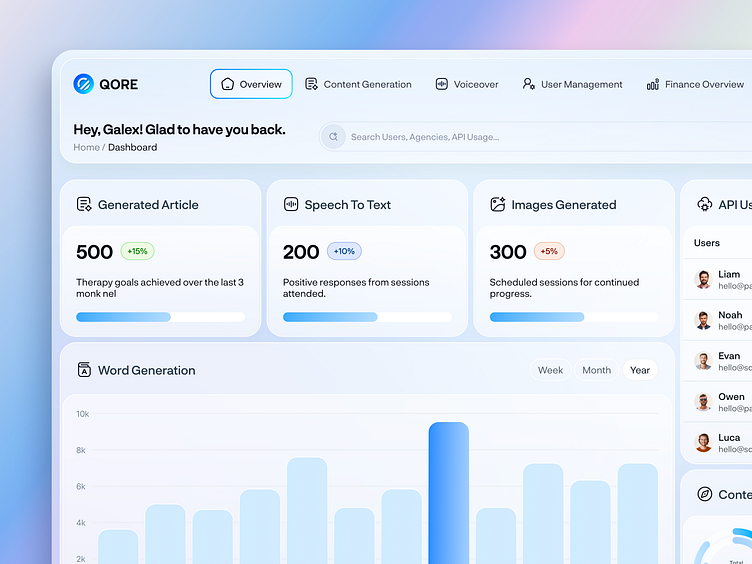
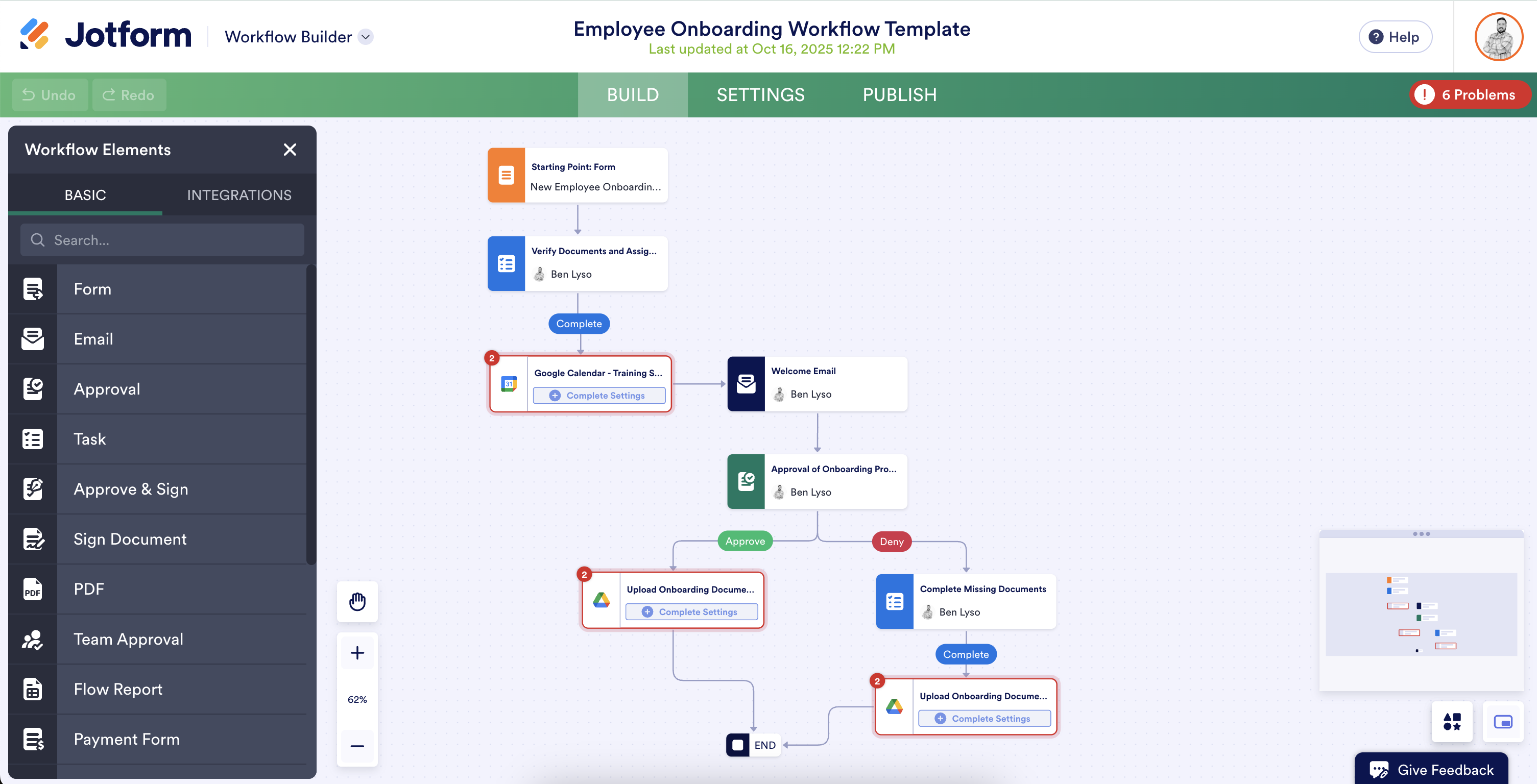
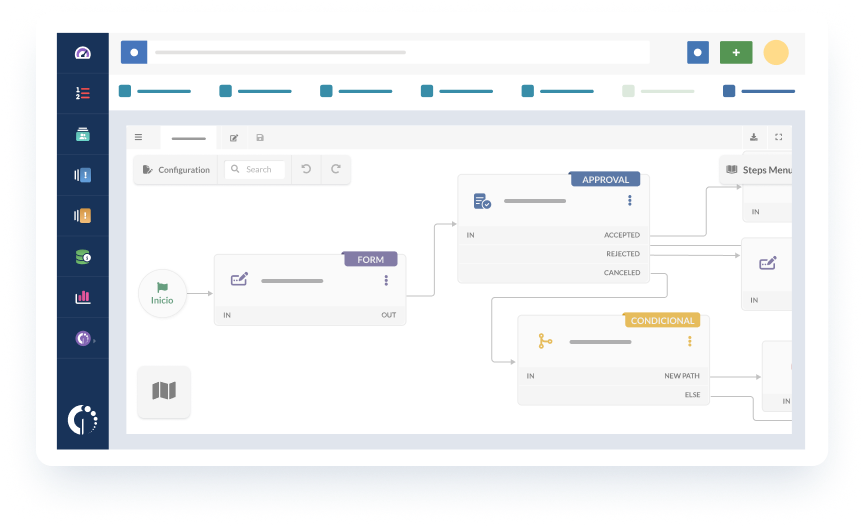
AI agents inside SaaS platforms now:
Instead of manually analyzing dashboards, teams rely on AI agents to surface insights and act.
Autonomous agents can:
They function as junior engineering assistants—working continuously in the background.
Integrated with platforms like Stripe, AI agents can:
Finance teams gain automation without sacrificing oversight.
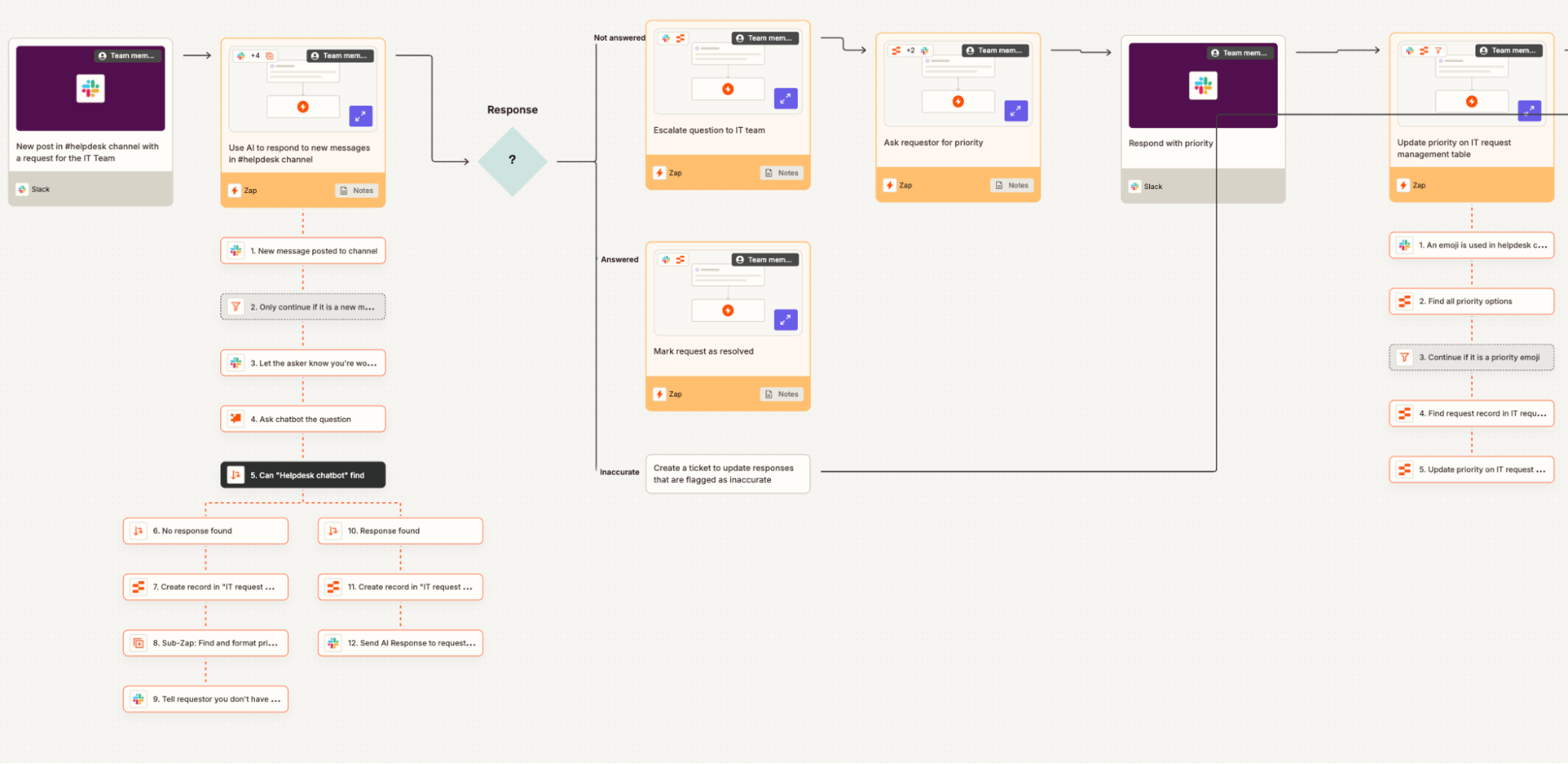
Autonomous agents now:
This goes beyond scripted chatbots.


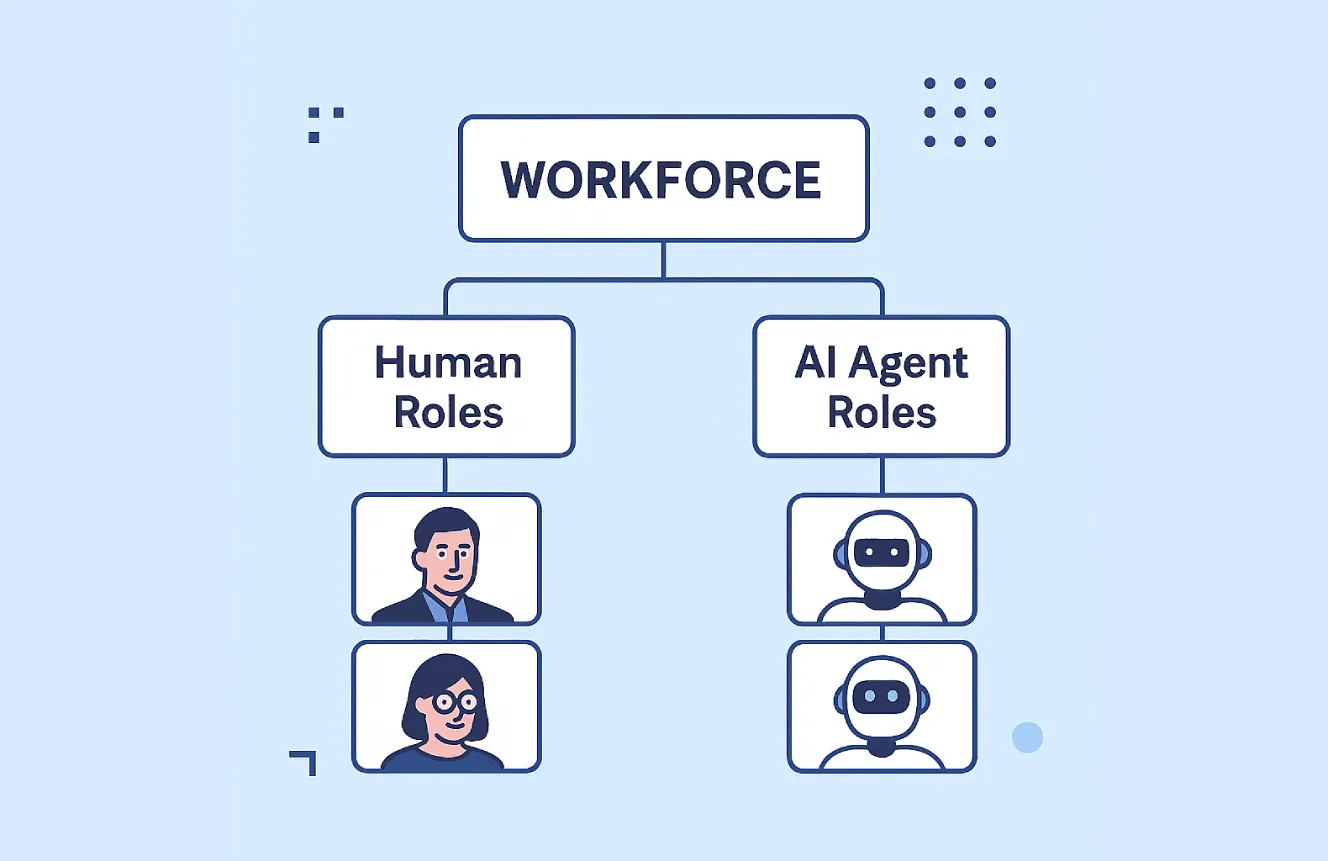
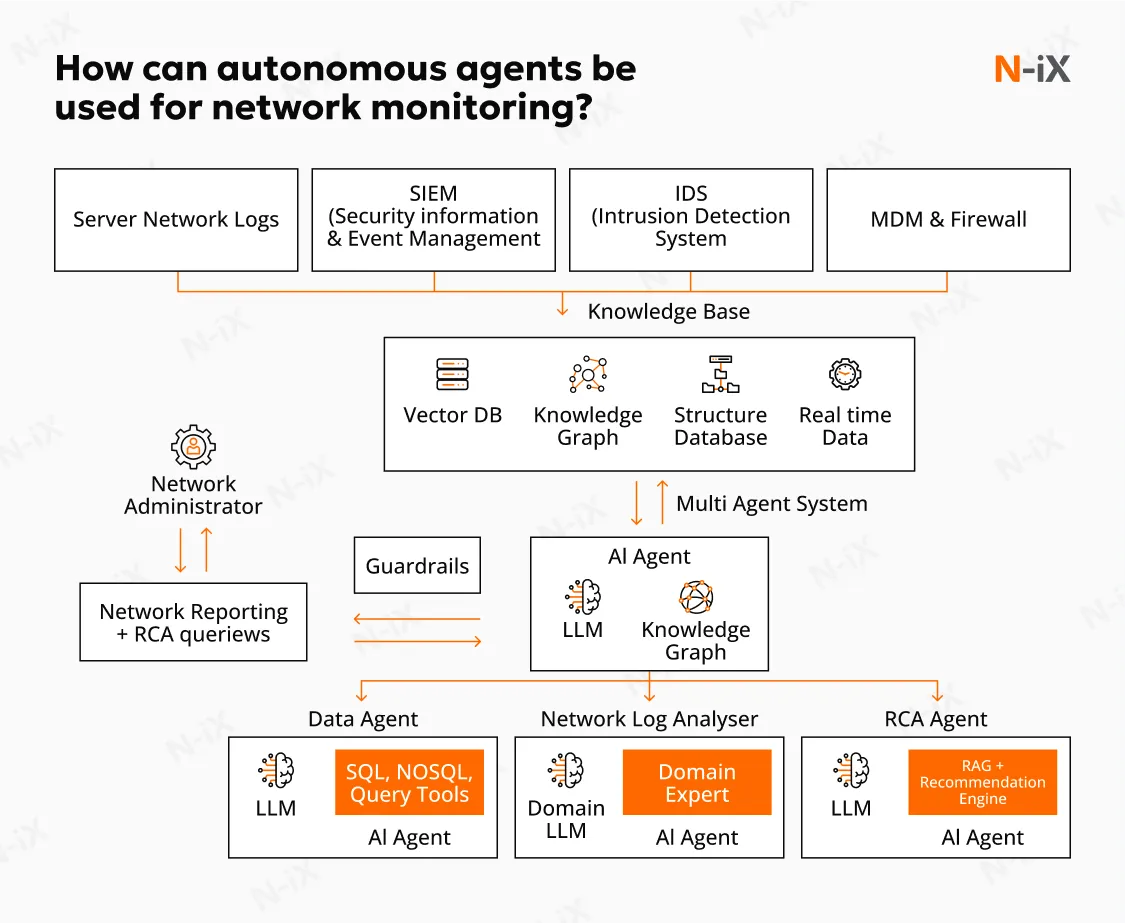
In 2026, many organizations deploy multi-agent systems, where:
This mirrors human team structures.
Rather than one powerful AI model doing everything, distributed agents collaborate to achieve better results.
AI agents can operate 24/7 without fatigue. This reduces:
Companies may reduce:
However, oversight roles often expand.
Humans increasingly:
AI handles repetitive execution.
Autonomous AI introduces new responsibilities:
Agents interacting with APIs require strict permission controls.
Regulated industries must log and audit AI decisions.
Autonomous loops can generate excessive API usage if unchecked.
Over-automation may affect workforce dynamics.
Guardrails and governance frameworks are essential.
In 2026, AI agents are powerful—but not fully independent.
They still require:
We are in the transition phase—from assistants to semi-autonomous collaborators.
AI agents in 2026 represent a turning point in digital transformation.
We are moving beyond chat-based assistants toward autonomous systems capable of executing meaningful work. From SaaS automation to DevOps and finance, AI agents are becoming digital team members.
However, autonomy must be balanced with accountability.
The future of AI is not about replacing humans—it’s about augmenting them with intelligent systems that handle execution at scale.
In the coming years, the organizations that successfully integrate autonomous AI agents with strong governance will lead the next wave of innovation.
The era of the digital workforce has begun.