Breaking News
Popular News




Enter your email address below and subscribe to our newsletter
AI News
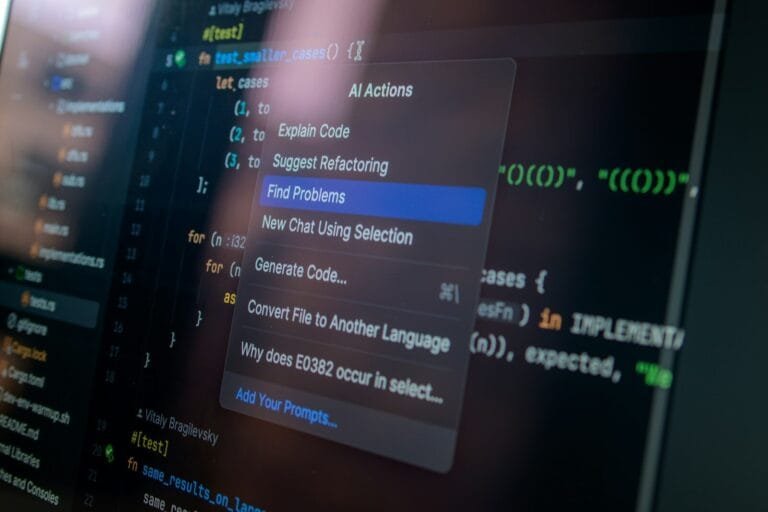
AI coding assistants have evolved from simple autocomplete tools into powerful development collaborators. In 2026, developers are using AI to scaffold entire applications, generate APIs, write database queries, create UI components, debug code, and even deploy production-ready systems.
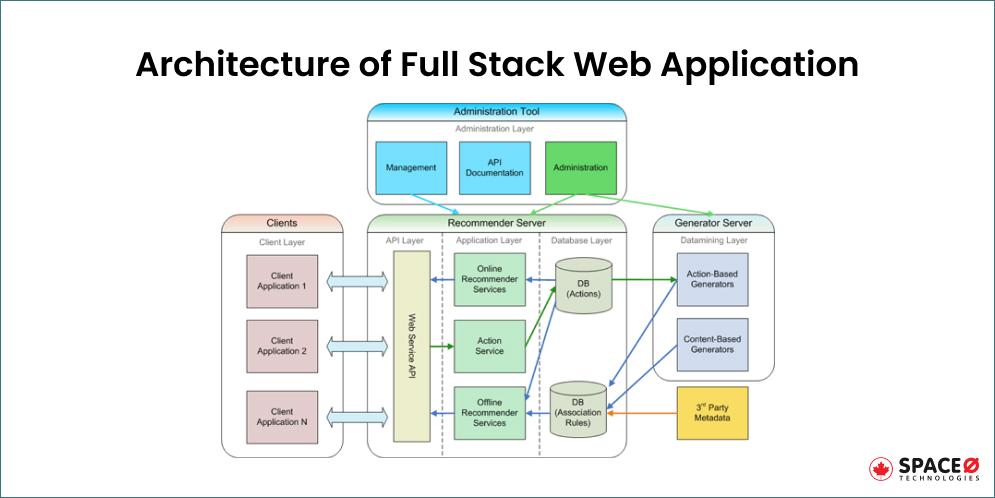
Full-stack development—once requiring expertise across frontend, backend, databases, and DevOps—is becoming significantly more accessible with AI-powered support.
This guide explores how developers can effectively build full-stack applications using AI coding assistants, the best tools available, and practical workflows for maximizing productivity.


AI coding tools now assist with:
Platforms powered by large language models from organizations like OpenAI and development tools integrated by Microsoft are shaping this new development paradigm.
AI is not replacing developers—it is accelerating them.
AI assistants can generate:
Developers can describe the app in natural language, such as:
“Create a full-stack task management app with user authentication, REST API, and responsive frontend.”
AI generates a structured starting point within seconds.
AI helps with:
Instead of manually writing boilerplate, developers refine AI-generated UI code.
AI coding assistants can generate:
Developers still validate security and business logic, but AI accelerates initial implementation.
AI can suggest:
By analyzing the application’s purpose, AI proposes logical database relationships.


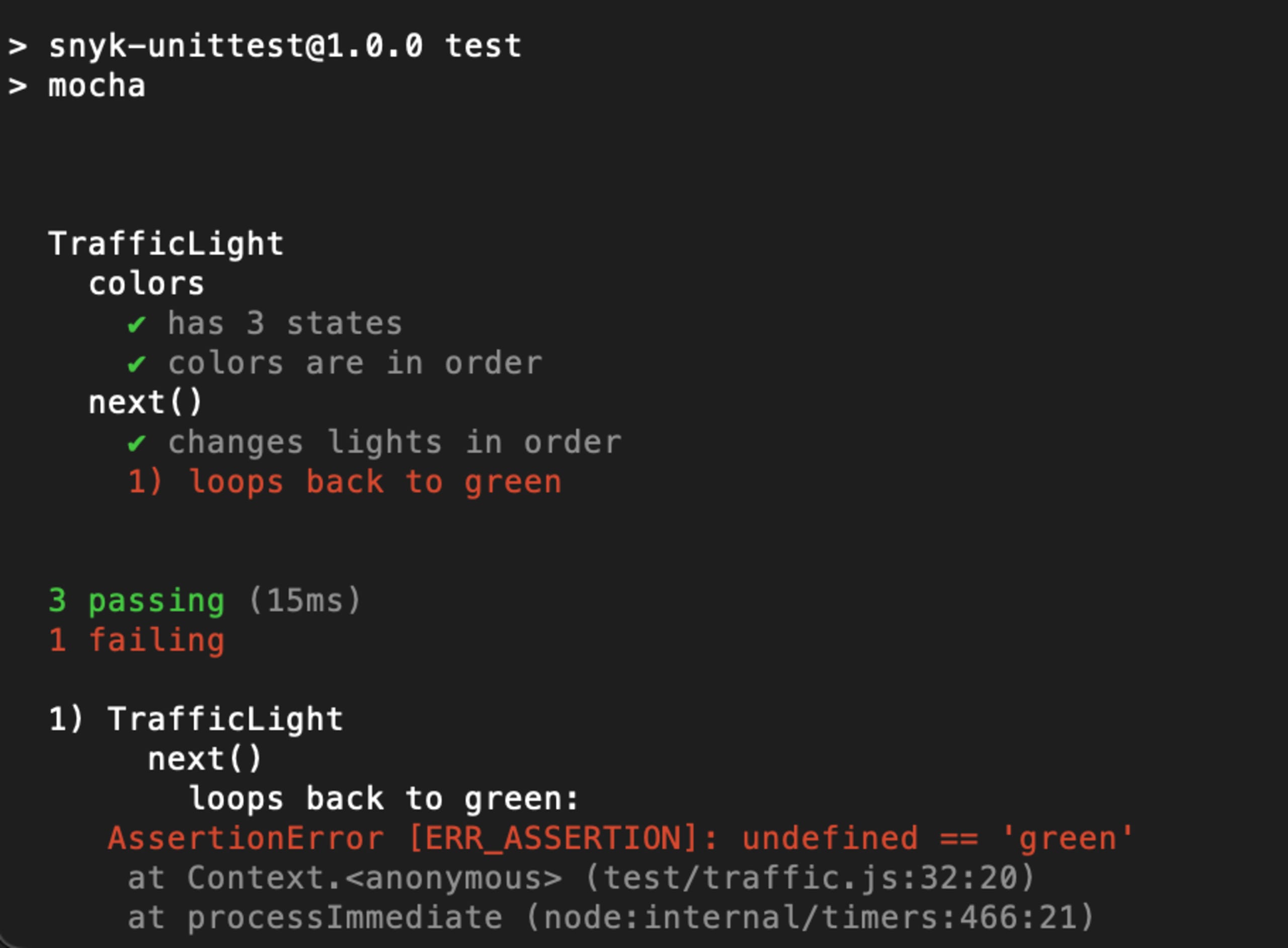
AI significantly improves testing workflows by:
This reduces development bottlenecks and improves code quality.
Instead of vague instructions, specify:
Precision improves output quality.
AI can produce insecure or inefficient code. Developers must:
AI speeds up development—but human oversight ensures reliability.
Rather than asking AI to build everything at once:
Stepwise collaboration produces better results.
Avoid exposing:
Use environment variables and secure vaults for secrets management.
AI-assisted development offers measurable benefits:
Startups can ship products faster, while enterprises accelerate internal tooling.
Despite advancements, AI assistants still struggle with:
Developers remain responsible for system integrity and design coherence.
In the coming years, we can expect:
Full-stack development will likely become more orchestration-focused—where developers guide AI systems rather than manually writing every line of code.
Building full-stack applications in 2026 is no longer limited to large teams with specialized expertise. AI coding assistants empower developers to move from idea to production faster than ever.
However, success depends on strategic use. AI should be treated as a productivity multiplier—not an autonomous engineer.
Developers who learn to collaborate effectively with AI will gain a significant competitive advantage in the modern software landscape.
The future of full-stack development isn’t about replacing engineers—it’s about augmenting them.