Breaking News

Popular News


Enter your email address below and subscribe to our newsletter
AI News

Artificial intelligence is fundamentally reshaping how software is built. In 2026, AI is no longer just an assistive coding tool—it is embedded across the entire software development lifecycle (SDLC), influencing planning, coding, testing, deployment, and maintenance.
The shift is not about replacing developers. Instead, AI is redefining workflows, accelerating delivery cycles, and transforming the role of engineering teams.
This article explores how AI is changing software development workflows and what it means for developers, startups, and enterprise organizations.


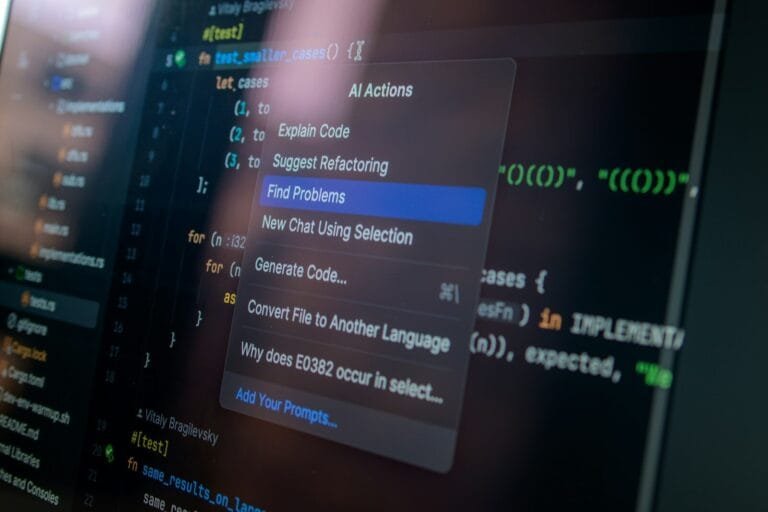
AI-powered coding assistants built on large language models from organizations like OpenAI are now integrated directly into IDEs, cloud environments, and CI pipelines.
Instead of writing every line of code manually, developers now:
This AI-augmented workflow significantly reduces repetitive tasks while maintaining human oversight.
AI’s impact spans every stage of the SDLC.
AI tools can:
This shortens the gap between ideation and implementation.
AI coding assistants now handle:
Development platforms supported by companies like Microsoft have mainstreamed AI-assisted coding in professional workflows.
Developers focus more on architecture and logic rather than syntax.

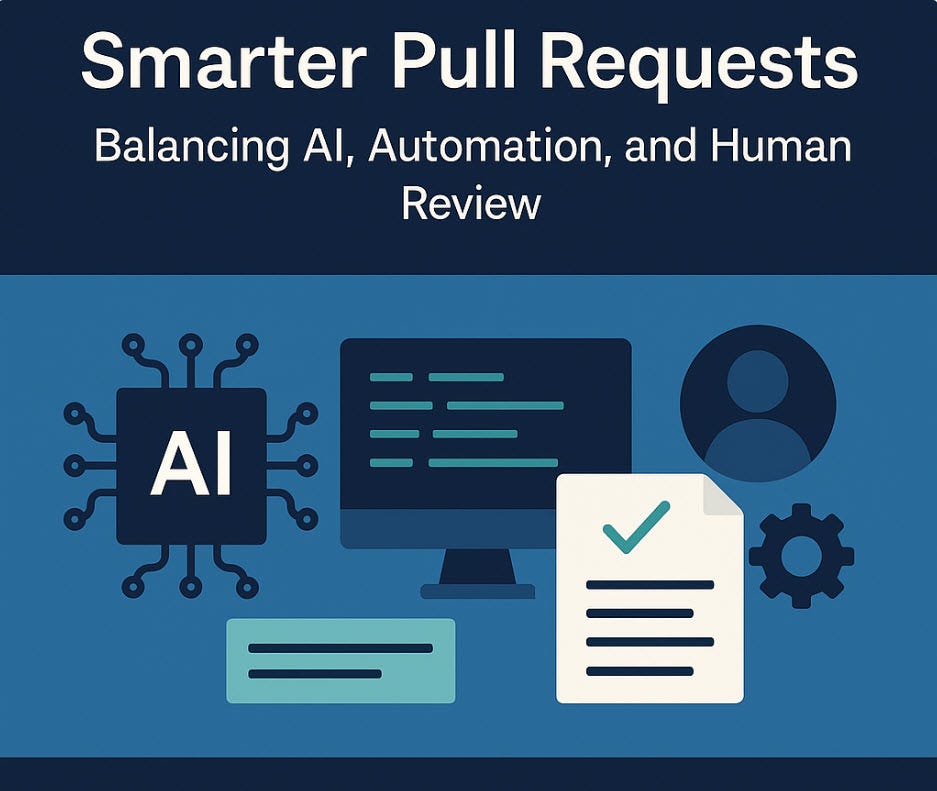

AI is increasingly used for:
AI acts as a first-pass reviewer, improving efficiency before human review.
AI tools generate:
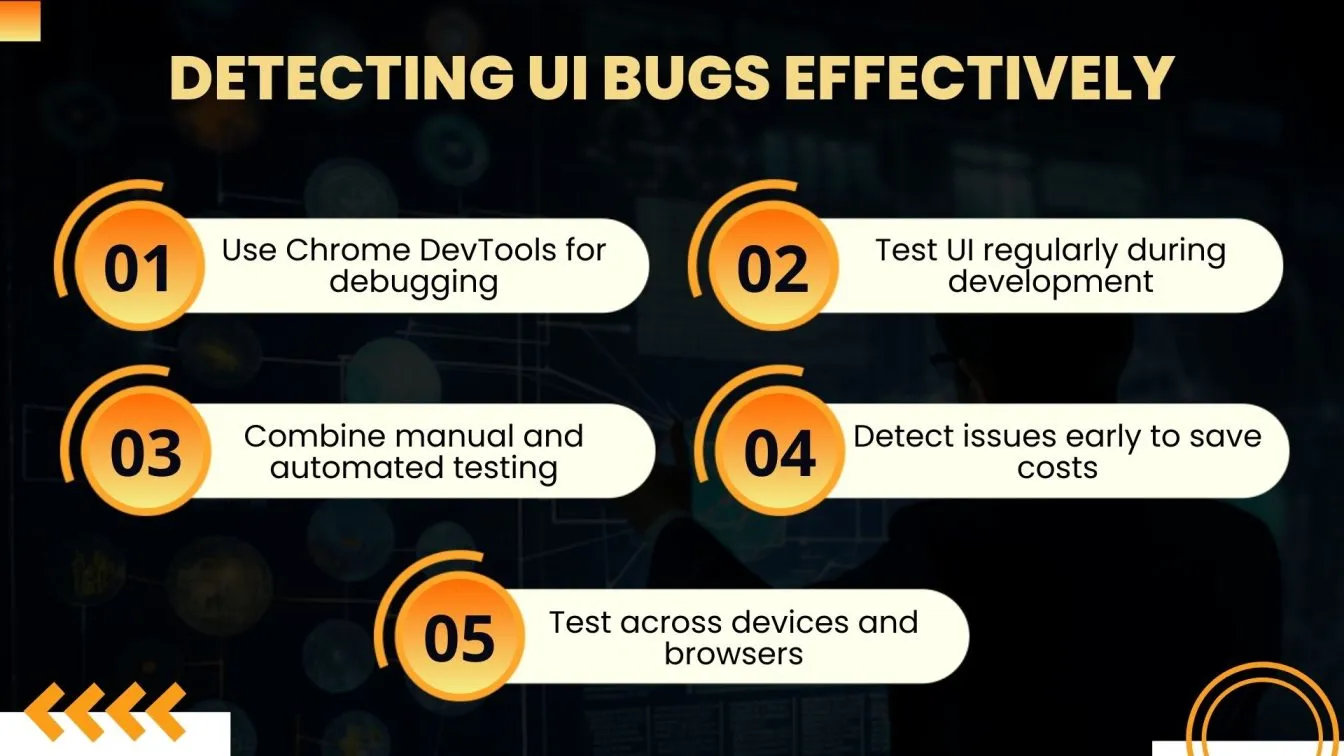
By automating test creation, teams increase coverage while reducing manual workload.
AI enhances DevOps workflows by:
Cloud-native development environments are becoming increasingly intelligent and autonomous.
AI is also transforming how teams collaborate.
AI can:
This reduces onboarding time for new team members.
Product managers, designers, and engineers can use AI tools to:
AI helps bridge technical communication gaps.
Organizations report several benefits:
AI increases output per engineer, making small teams more capable than ever.
Despite its benefits, AI integration brings new concerns:
AI-generated code may include:
Human review remains critical.
Modern developers must understand:
AI literacy is now part of the engineering skillset.
Blind trust in AI-generated outputs can introduce systemic errors. Successful teams treat AI as a collaborator—not a replacement.


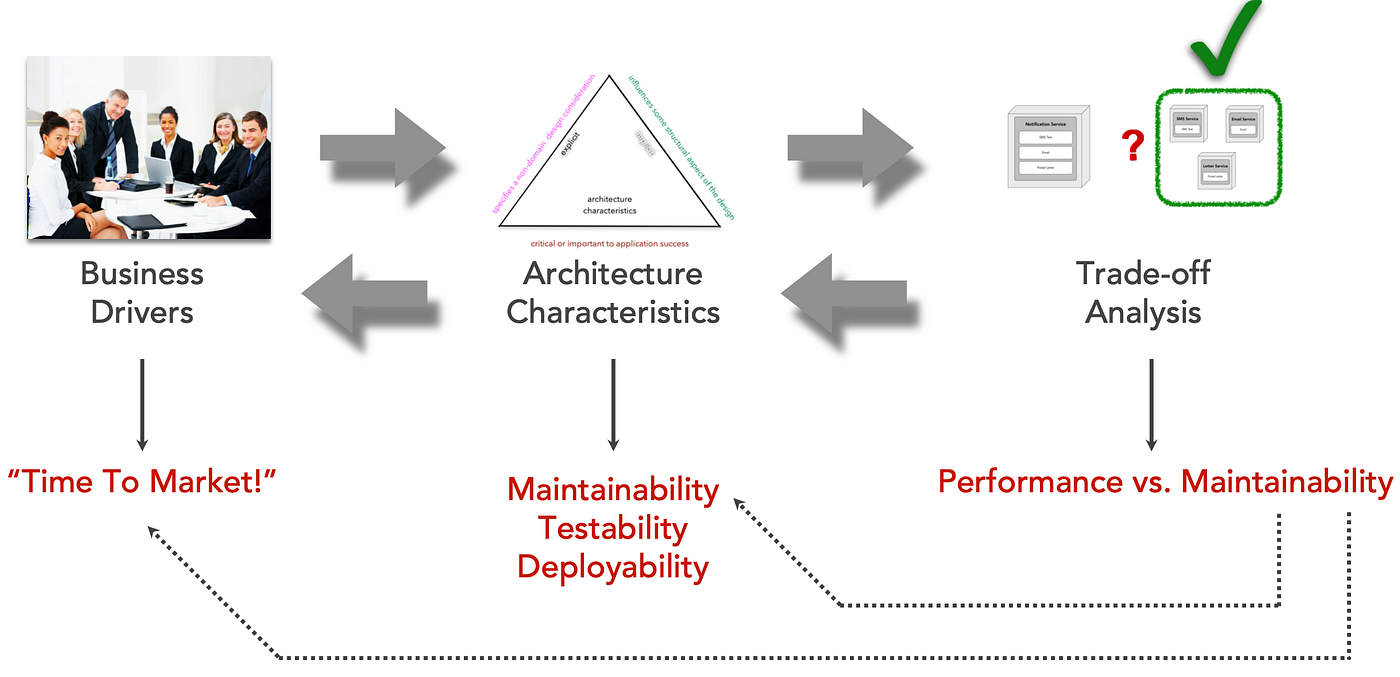

In 2026, developers are shifting toward:
Coding remains important—but strategic thinking and system design are becoming more central.
AI is fundamentally transforming software development workflows. From intelligent code generation and automated testing to AI-enhanced DevOps pipelines, development is becoming faster, more automated, and more collaborative.
However, AI does not eliminate the need for skilled engineers. Instead, it elevates their role—shifting focus from repetitive implementation to architecture, strategy, and innovation.
The future of software development is AI-augmented engineering, where human creativity and machine efficiency work together to build smarter systems at unprecedented speed.