

Enter your email address below and subscribe to our newsletter

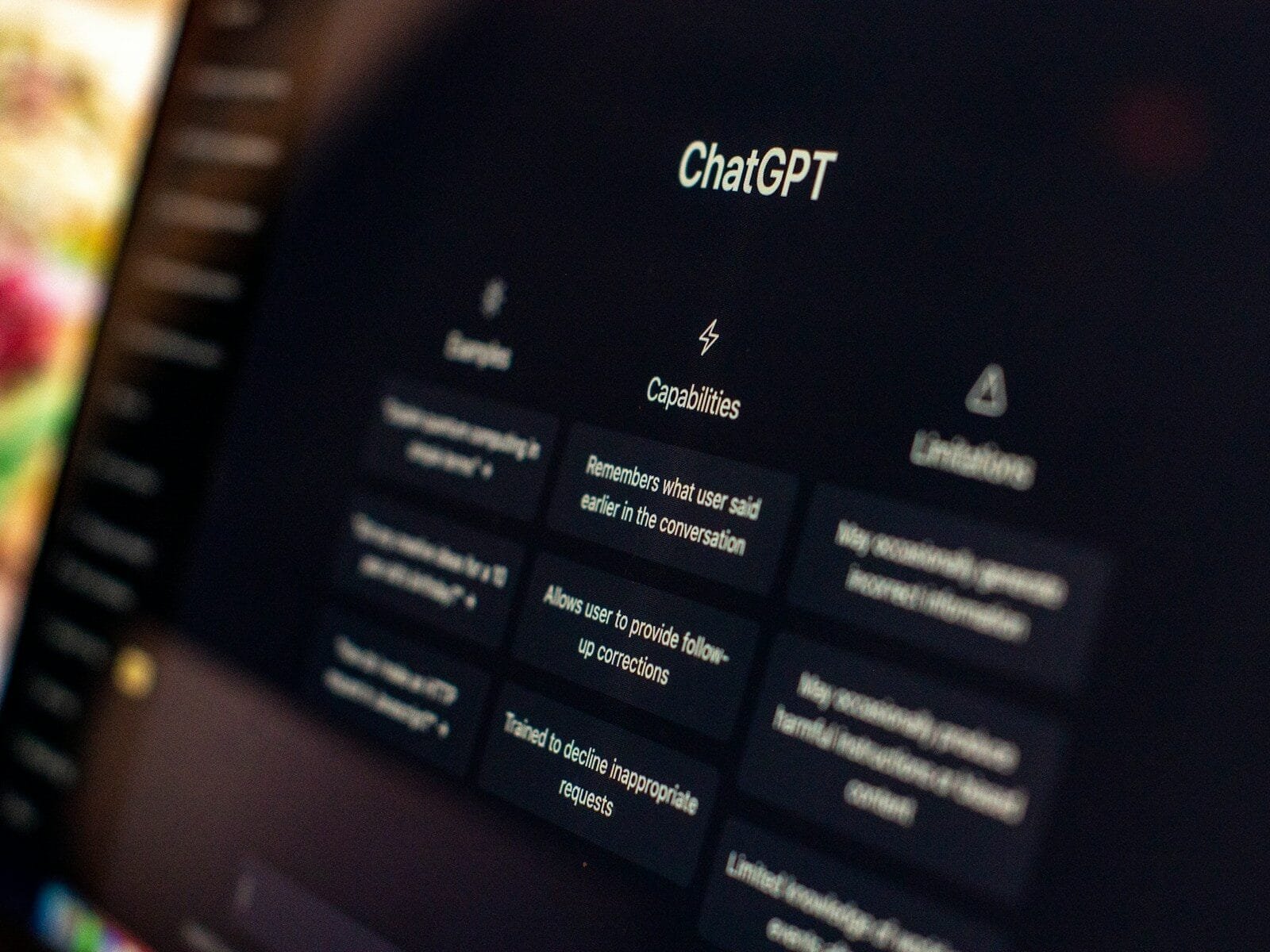
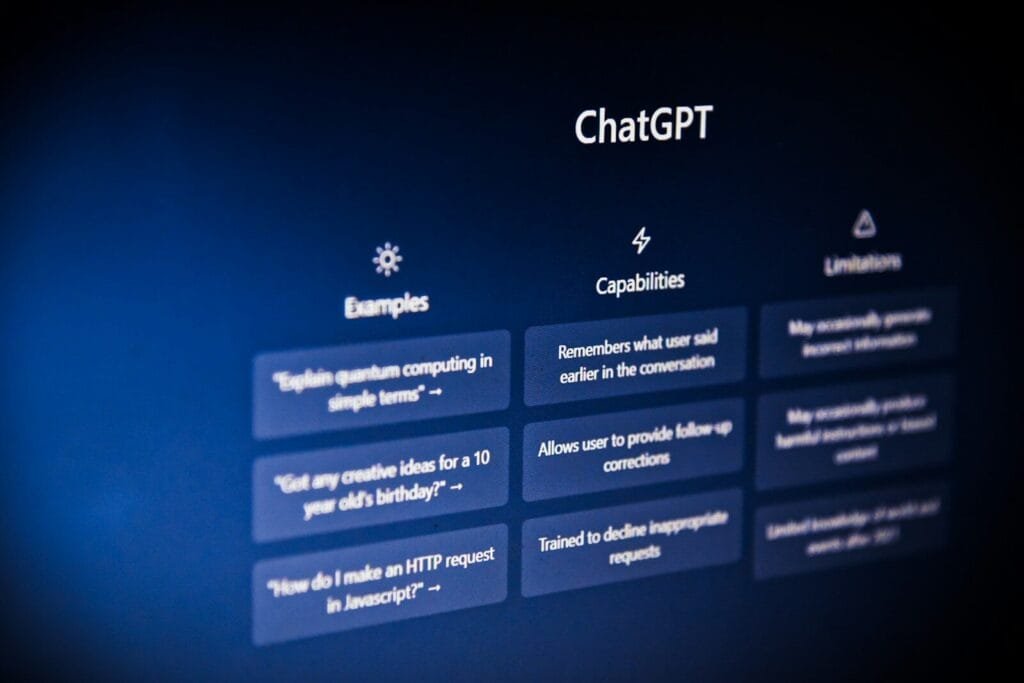
a close up of a computer screen with a menu on it

How Businesses Are Using ChatGPT to Automate Workflows Globally

Share your love

Automation has always been a competitive advantage. But in 2026, automation looks different.

Instead of rigid rule-based scripts, businesses are deploying AI systems capable of understanding context, making decisions, and executing multi-step tasks. At the center of this shift is ChatGPT, developed by OpenAI.

From startups in Southeast Asia to enterprises in North America and Europe, organizations are embedding ChatGPT into daily operations—turning it into a global workflow automation engine.

Here’s how businesses are doing it.

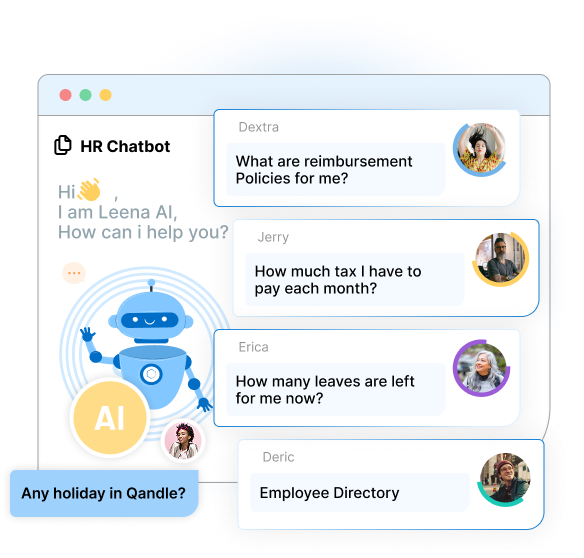
1. Customer Support Automation at Scale

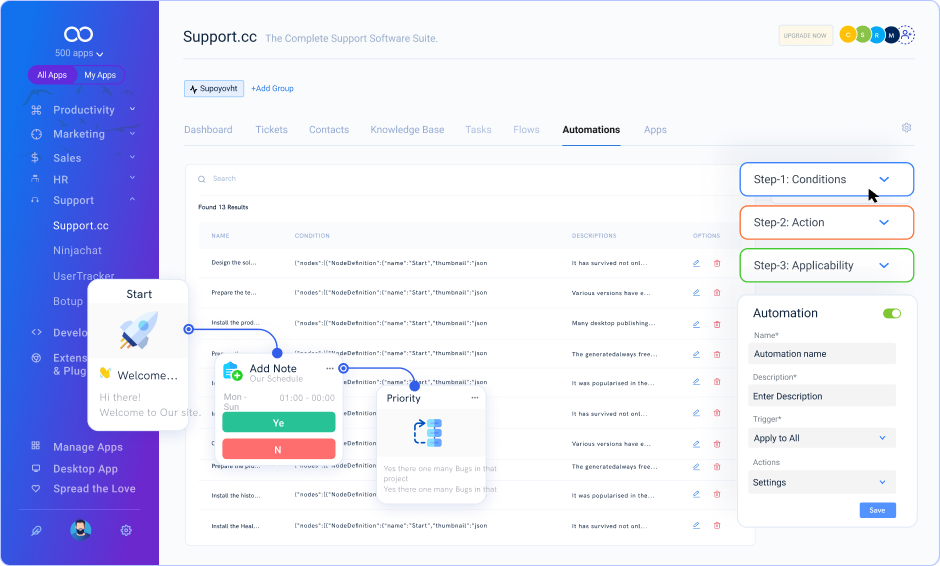
Image
Image
Image
Image

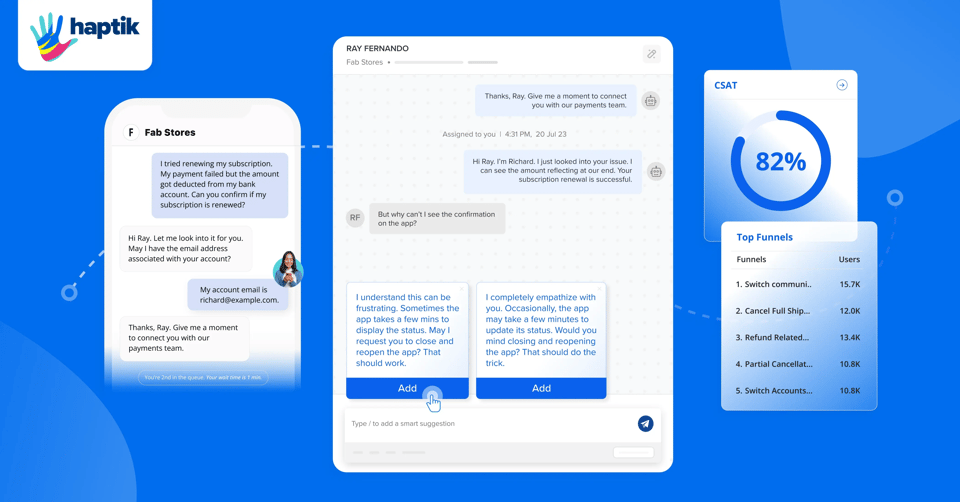
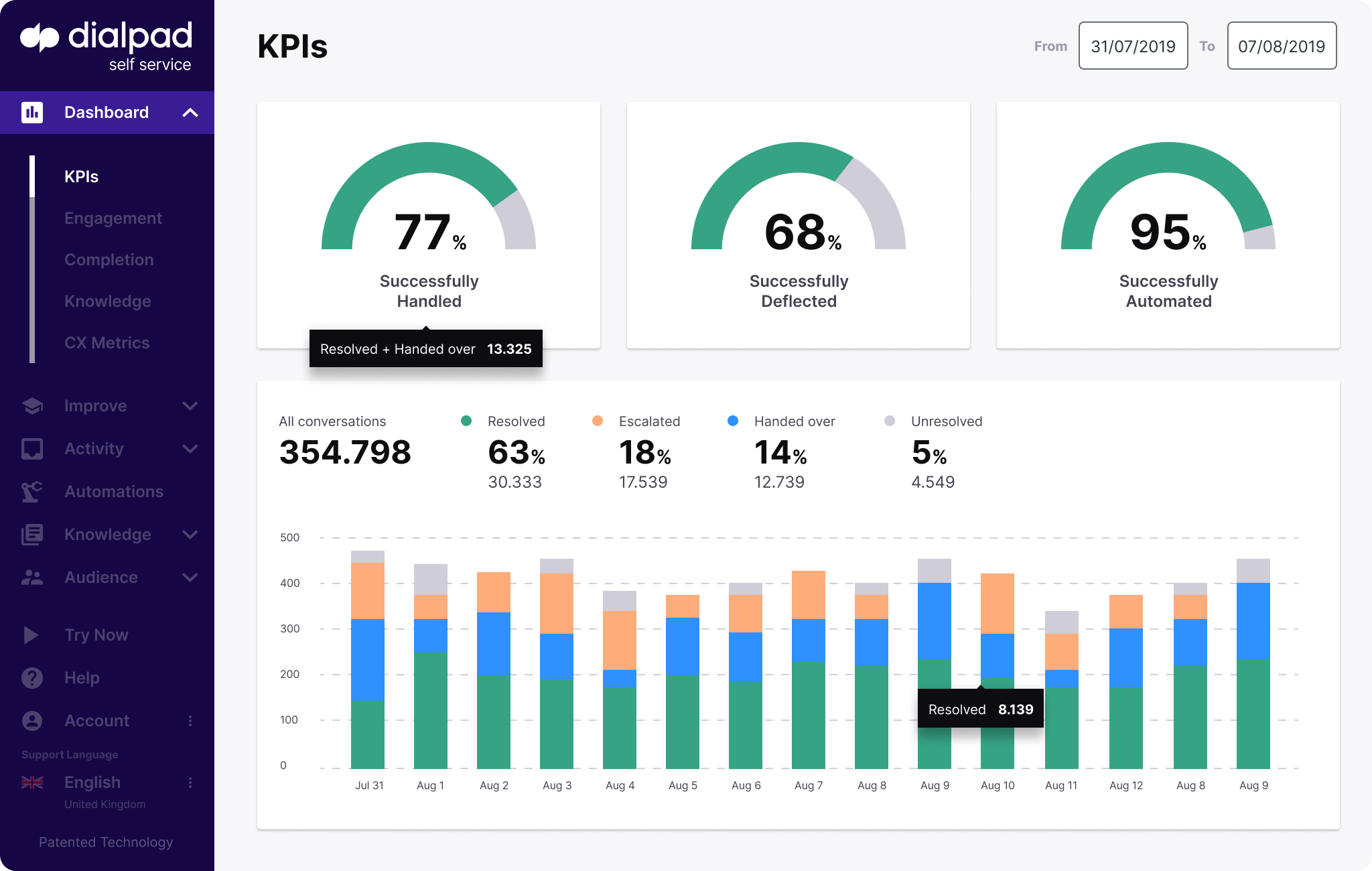
Customer support remains one of the most widespread use cases.

Businesses integrate ChatGPT with:

  • CRM platforms
  • Ticketing systems
  • Live chat widgets
  • Messaging apps

ChatGPT can:

  • Handle FAQs
  • Generate personalized responses
  • Escalate complex cases
  • Update CRM records
  • Summarize customer interactions

Result:

  • Reduced response time
  • Lower support costs
  • 24/7 global availability

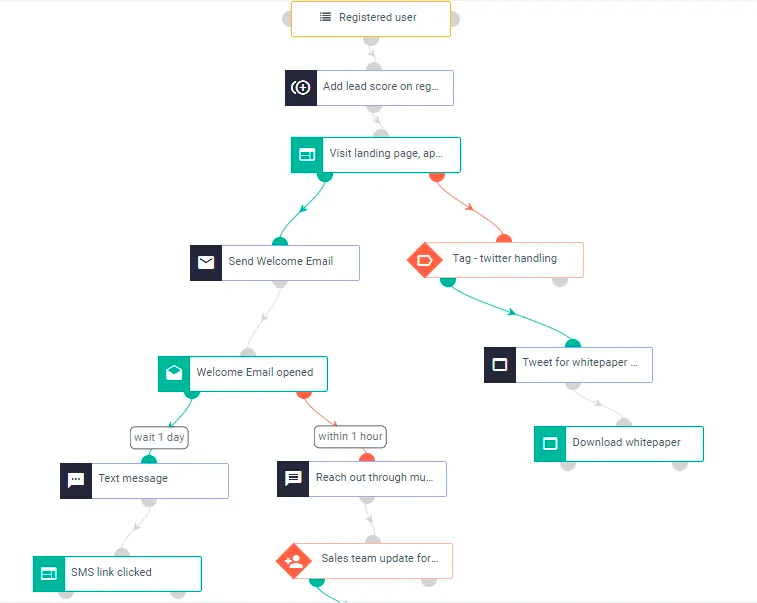
2. Marketing & Content Workflow Automation

Marketing teams use ChatGPT to automate:

  • Blog drafting
  • Social media calendars
  • Email campaign generation
  • Ad copy variations
  • Product descriptions
Image
Image
Image
Image

Integrated with tools like CMS platforms and analytics dashboards, ChatGPT can:

  • Analyze campaign performance
  • Suggest optimizations
  • Generate A/B testing variants
  • Localize content across languages

This accelerates content production cycles globally.


3. Sales & Lead Qualification Automation

ChatGPT-powered systems can:

  • Qualify inbound leads
  • Draft outreach emails
  • Summarize prospect research
  • Generate sales scripts
  • Update CRM pipelines

Sales teams worldwide use AI to reduce manual administrative work and focus on closing deals.

In high-volume industries, AI agents handle initial prospect communication autonomously.


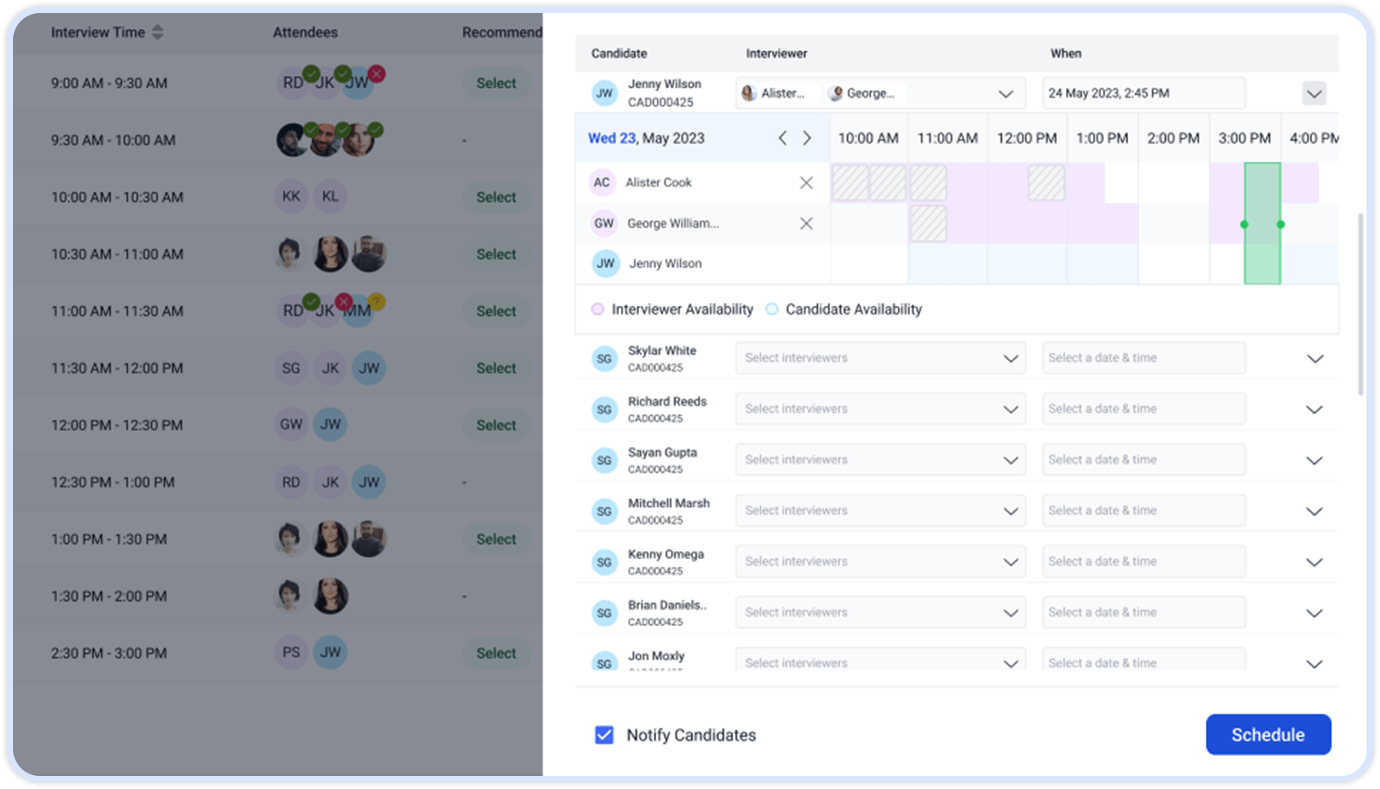
4. HR & Recruitment Workflows

Image
Image
Image
Image

HR departments use ChatGPT to:

  • Screen resumes
  • Summarize candidate profiles
  • Draft interview questions
  • Automate onboarding communications
  • Answer internal HR policy queries

This improves efficiency while maintaining compliance oversight.


5. DevOps & Engineering Automation

Technical teams integrate ChatGPT into:

  • CI/CD pipelines
  • Code review systems
  • Documentation workflows
  • Bug triage dashboards

ChatGPT can:

  • Generate test cases
  • Explain error logs
  • Draft documentation updates
  • Suggest code improvements

In 2026, AI copilots are embedded into engineering toolchains globally.


6. Finance & Operations

Businesses integrate ChatGPT with platforms like Stripe to:

  • Monitor payment failures
  • Generate financial summaries
  • Flag anomalies
  • Automate invoice reminders

Operations teams use AI to:

  • Analyze logistics data
  • Draft vendor communications
  • Optimize supply chain decisions

Automation moves from rule-based systems to intelligent reasoning systems.

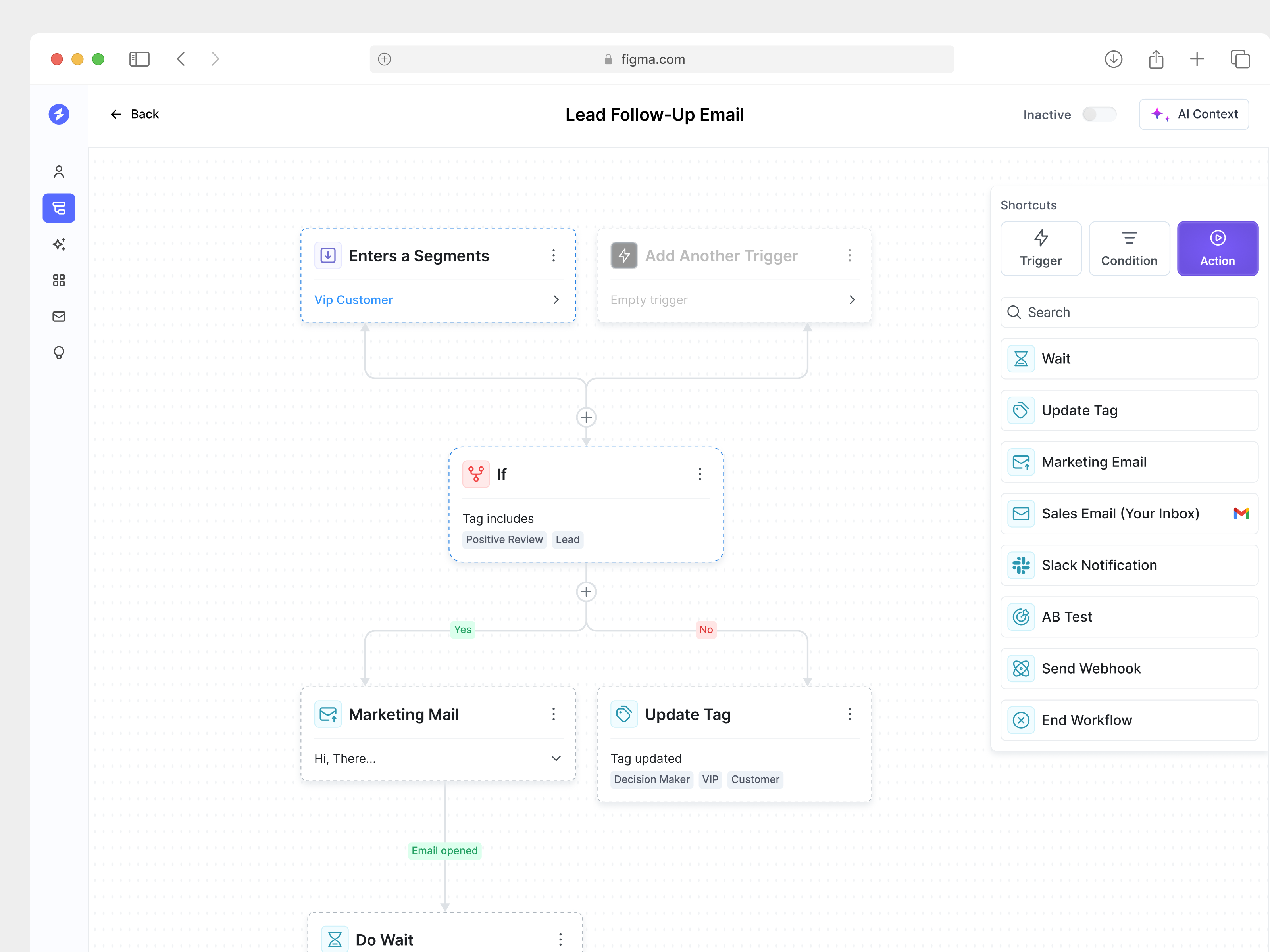
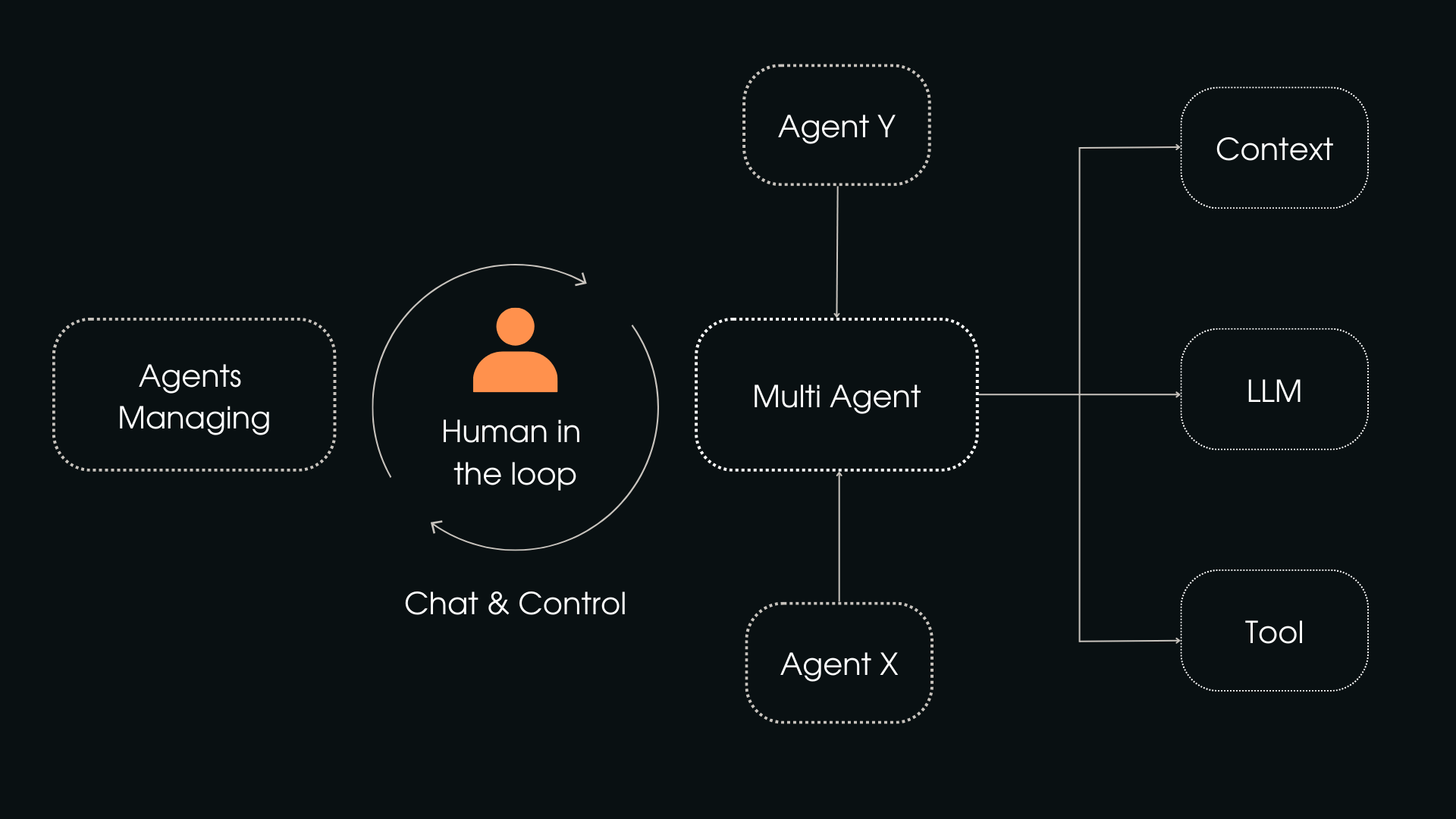
7. AI Agents for Multi-Step Workflow Automation

Image
Image
Image
Image

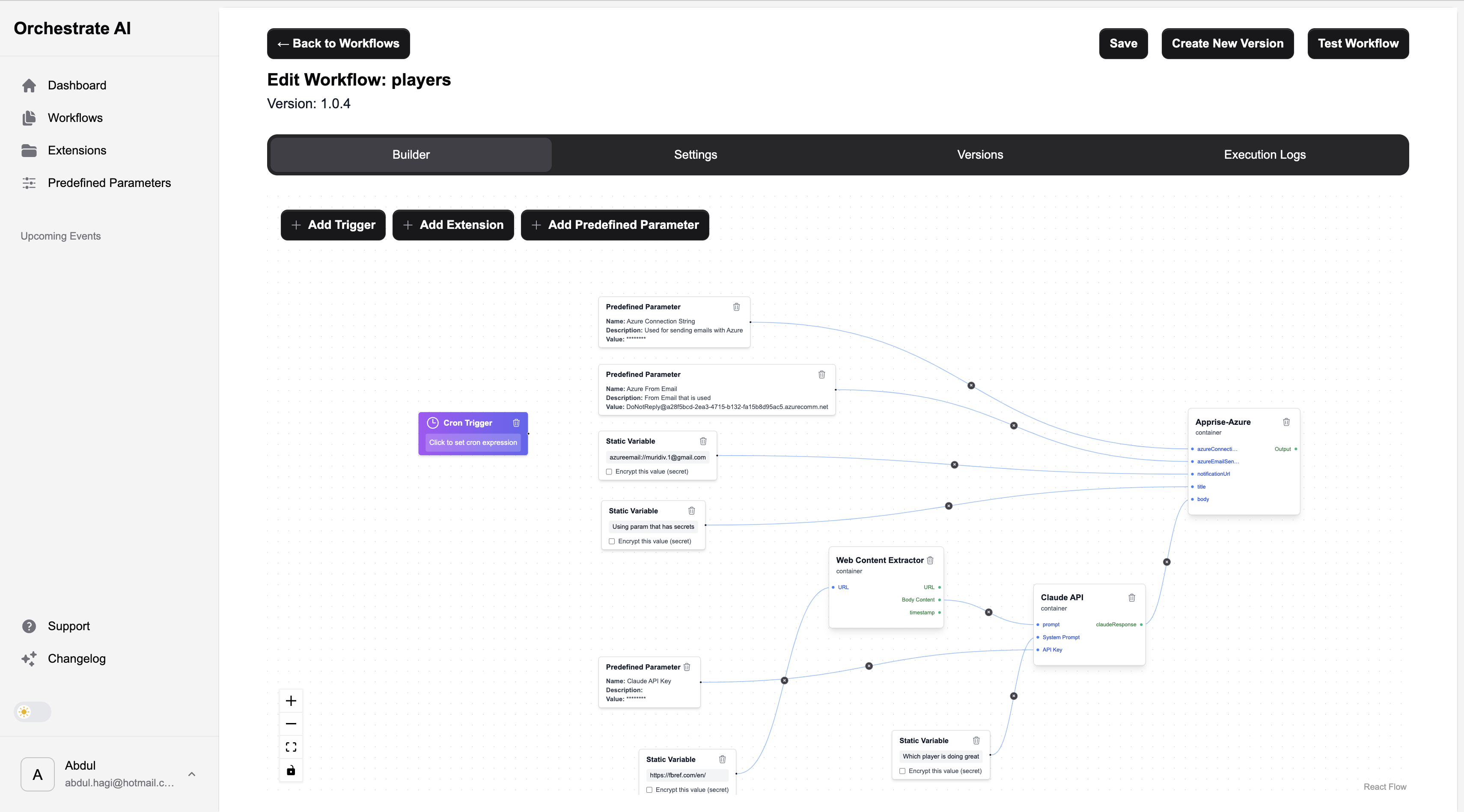
One of the biggest shifts in 2026 is the rise of AI agents powered by ChatGPT.

These agents can:

  1. Receive a business objective
  2. Break it into subtasks
  3. Call APIs
  4. Execute actions
  5. Monitor results

For example:

“Generate weekly sales report and email it to executives.”

An AI agent can:

  • Retrieve data
  • Summarize insights
  • Format presentation slides
  • Send the email

Minimal human involvement required.


Why Global Businesses Are Adopting ChatGPT Automation

1. Cost Reduction

AI reduces repetitive manual tasks.

2. 24/7 Operations

AI systems operate across time zones.

3. Scalability

Businesses scale without proportional hiring increases.

4. Faster Decision-Making

AI surfaces insights instantly.

5. Multilingual Support

Global teams leverage AI translation capabilities.


Challenges Businesses Must Address

Despite benefits, automation with ChatGPT requires:

  • Strong API security practices
  • Access control management
  • Usage cost monitoring
  • Governance and compliance frameworks
  • Human-in-the-loop oversight

Automation must be implemented responsibly.


The Future: AI as a Workflow Infrastructure Layer

ChatGPT is no longer just a chatbot interface.

In 2026, it acts as:

  • A workflow engine
  • A reasoning assistant
  • A multi-agent coordinator
  • A productivity layer

Businesses that integrate AI deeply into their operations gain efficiency and agility.


Conclusion: From Tool to Operational Backbone

Globally, businesses are moving beyond experimentation.

ChatGPT is becoming an operational backbone for workflow automation—across marketing, sales, HR, finance, engineering, and customer support.

The shift is not about replacing employees—it’s about augmenting teams with intelligent automation systems.

In 2026, the competitive advantage is clear:

Organizations that automate intelligently scale faster.


Share your love
SHEABUL ISLAM
SHEABUL ISLAM
Articles: 34

Leave a Reply

Your email address will not be published. Required fields are marked *

Stay informed and not overwhelmed, subscribe now!