Breaking News




Popular News





Enter your email address below and subscribe to our newsletter
AI News
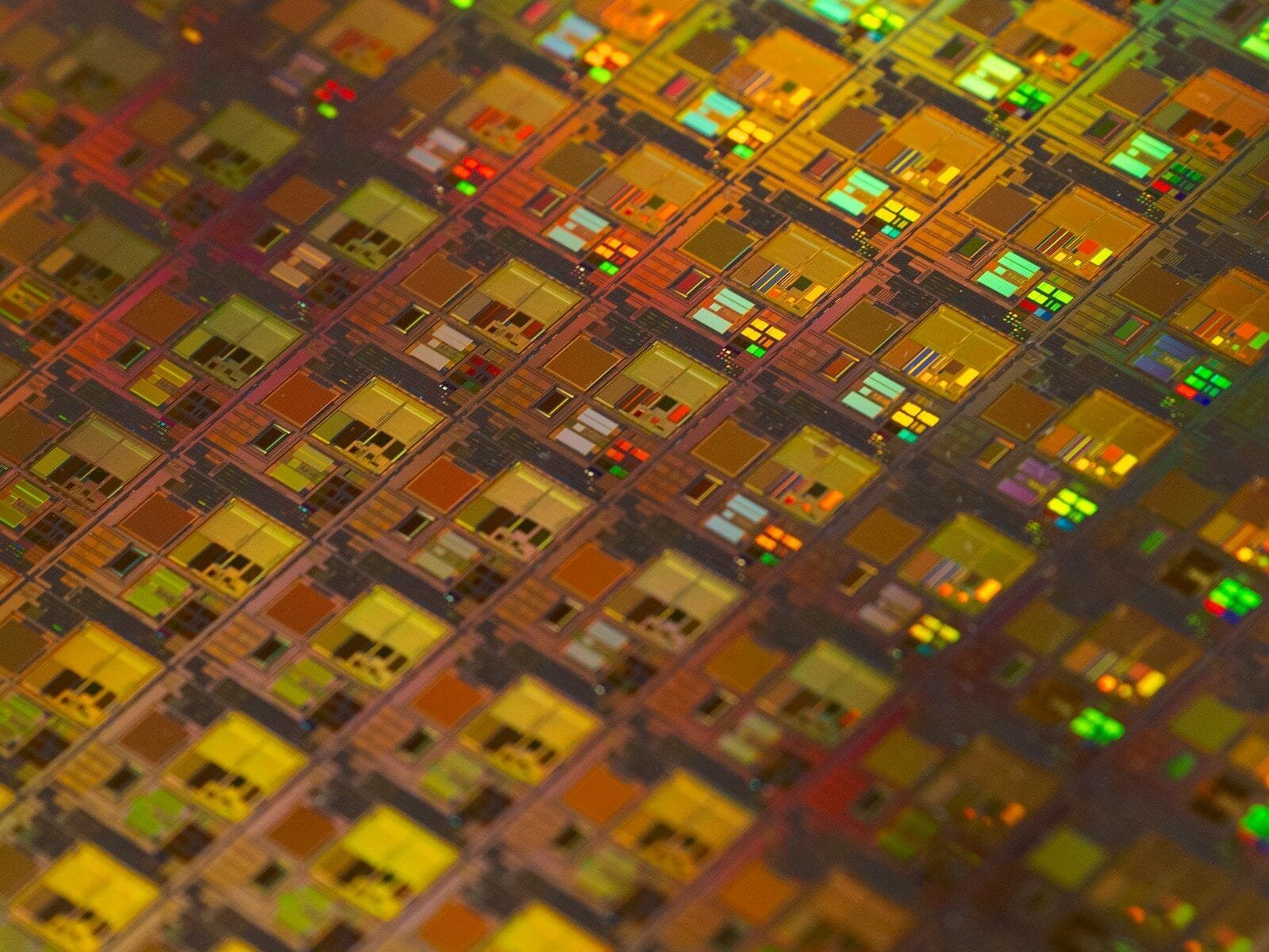
Artificial intelligence is no longer a niche technology—it is the central engine driving global innovation. From generative AI platforms to enterprise automation and autonomous systems, AI workloads are reshaping infrastructure requirements worldwide. At the core of this transformation lies one critical industry: semiconductors.
In 2026, semiconductor stocks are climbing rapidly, powered by unprecedented AI demand. Investors, analysts, and tech leaders alike are watching chipmakers as they become the backbone of AI’s explosive growth.
In this article, we break down why semiconductor stocks are rising, which companies are leading the rally, and what this trend means for investors and the broader AI ecosystem.
AI systems require immense computational power. Training large language models, running inference at scale, powering cloud AI services, and enabling edge AI devices all depend on high-performance chips.
As AI models grow more complex, the need for advanced nodes (3nm, 2nm) and high-bandwidth memory continues to surge.
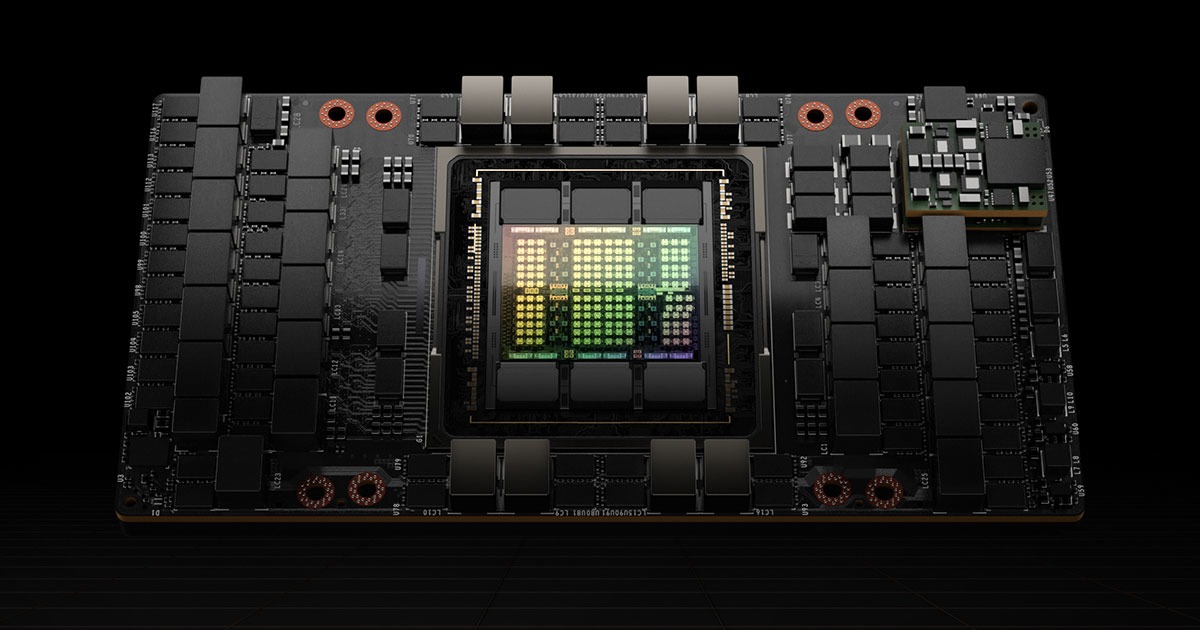

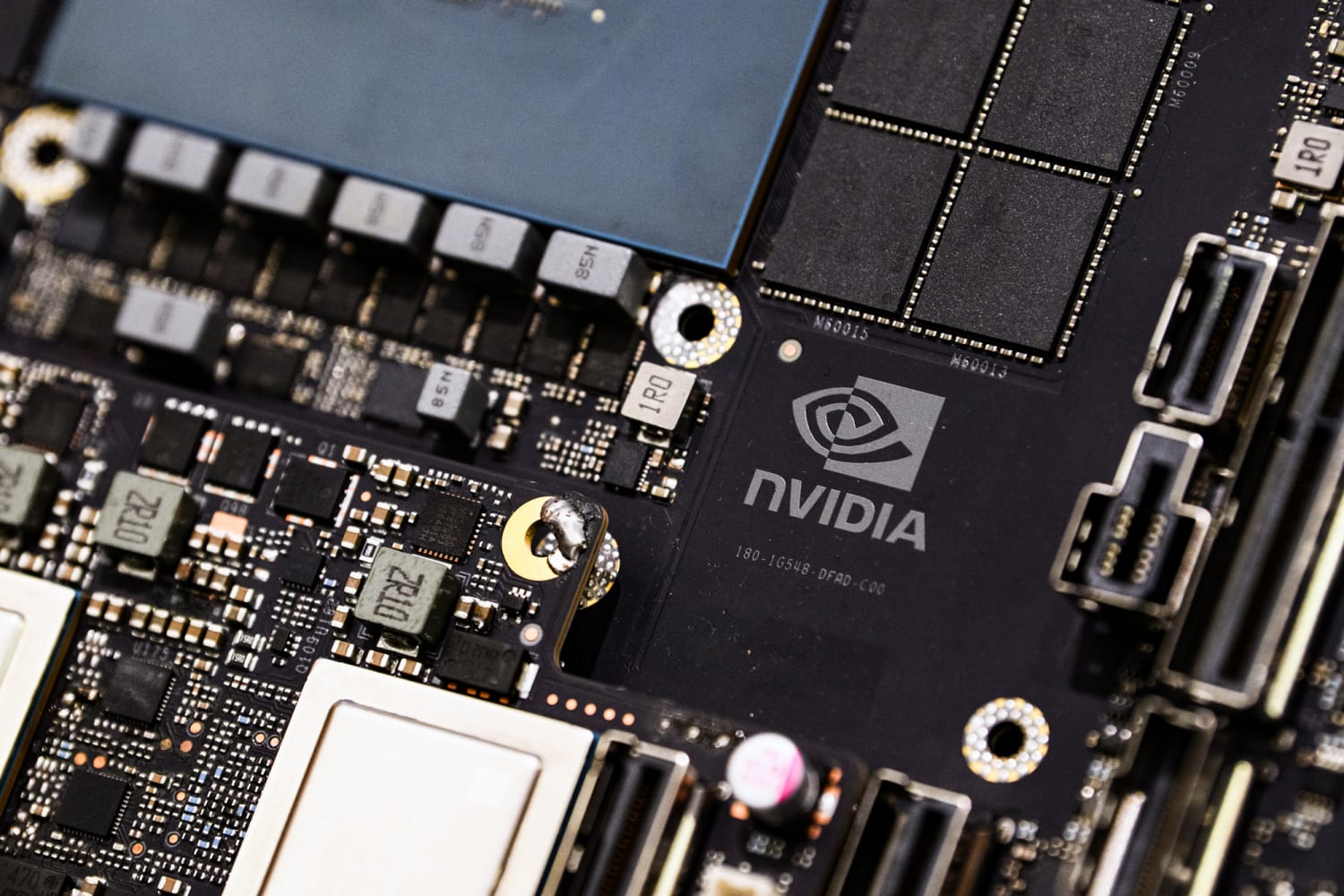
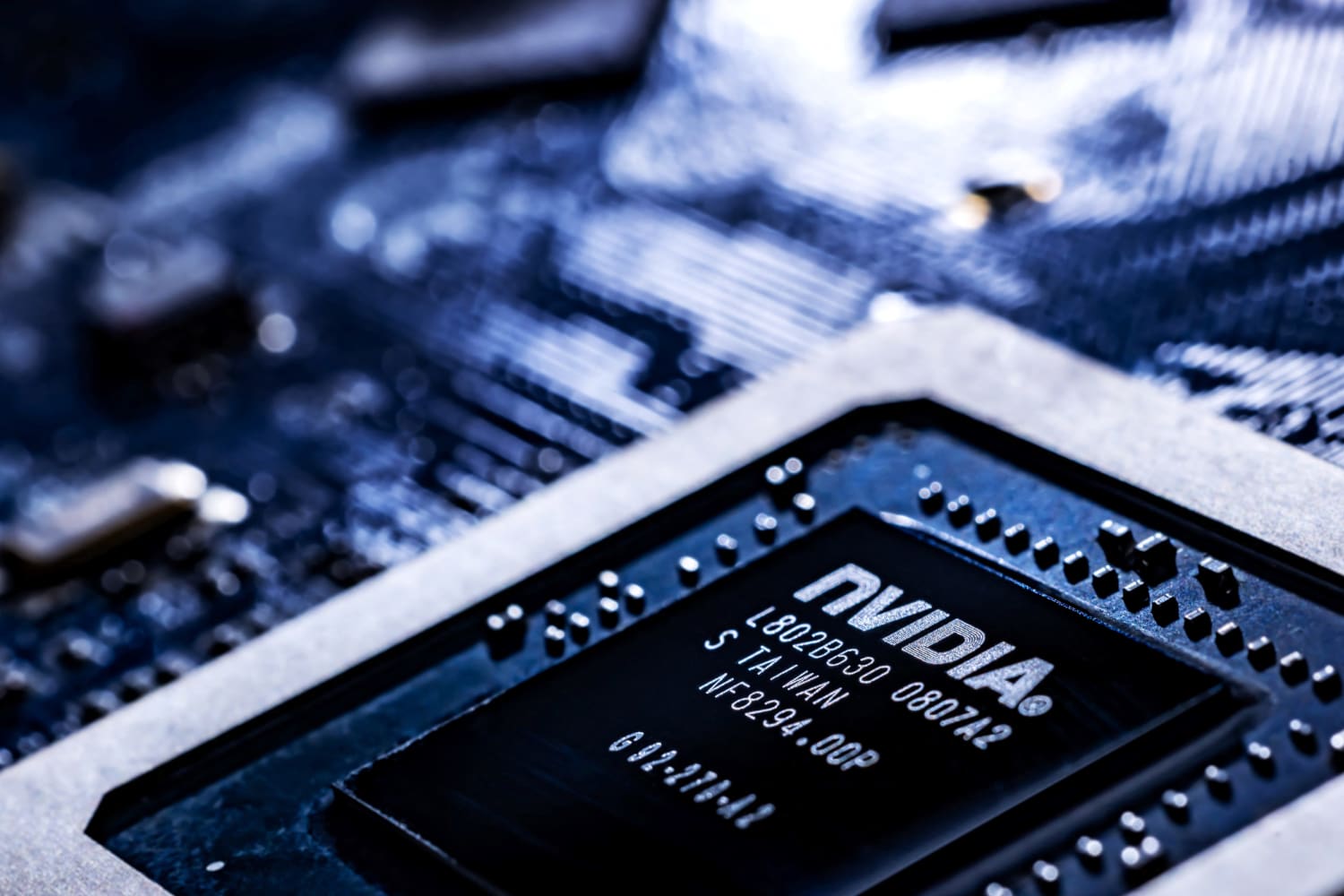
NVIDIA remains the dominant force in AI chips. Its GPUs power most large-scale AI model training and inference workloads.
Why investors are bullish:
NVIDIA’s growth has become closely tied to global AI infrastructure buildout.
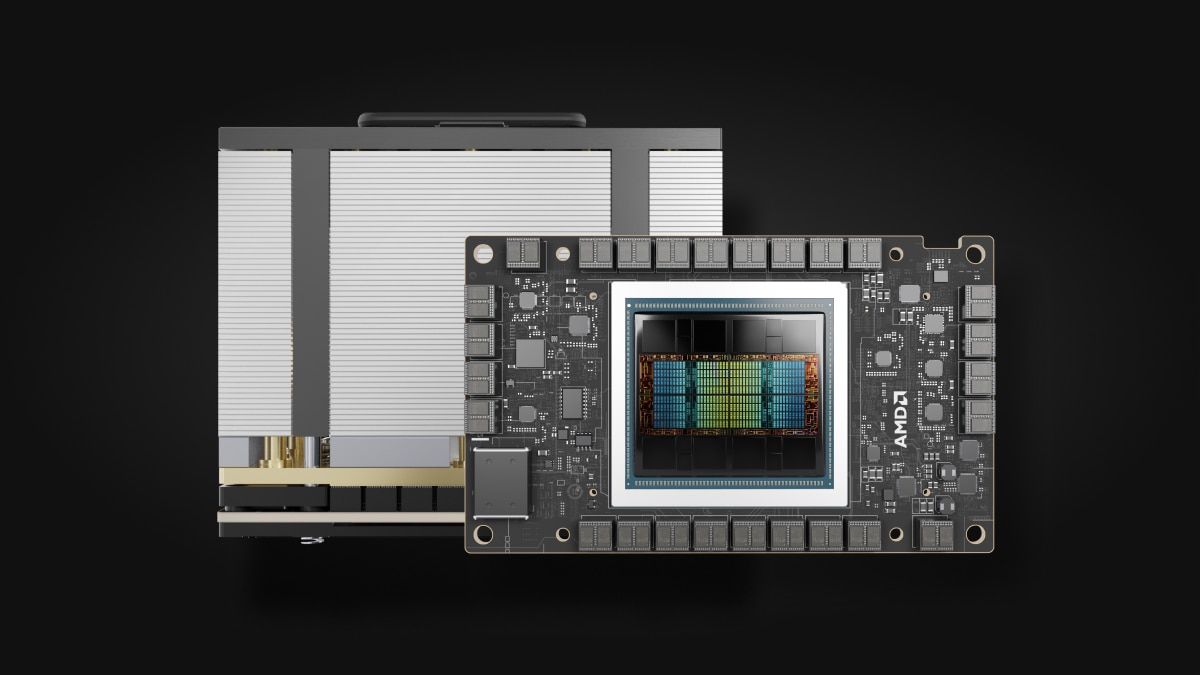
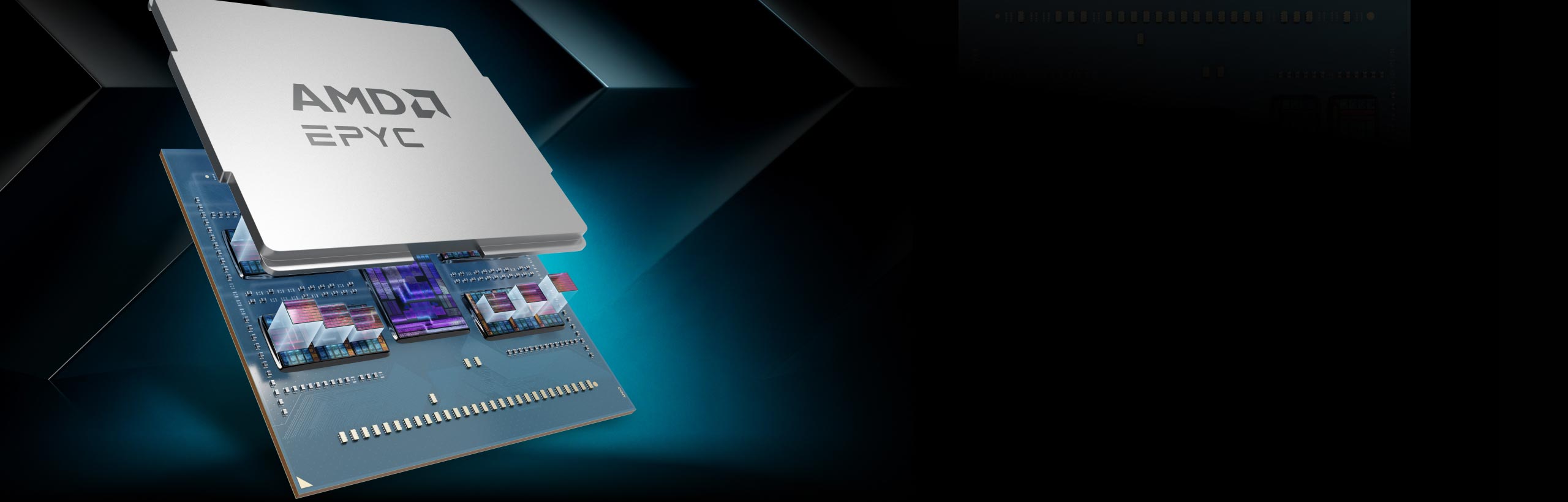
AMD is emerging as a powerful competitor in AI accelerators, particularly in data centers.
Growth factors:
As AI demand diversifies, investors see AMD as a strong second player in the AI chip race.

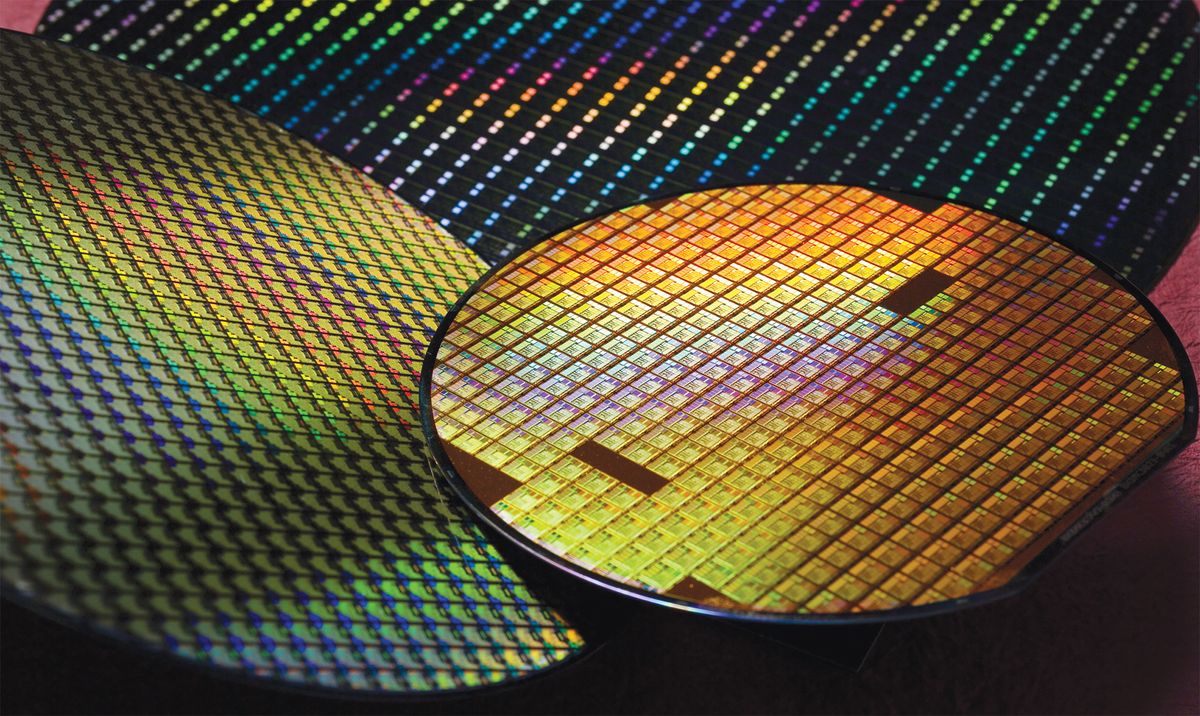


TSMC manufactures advanced chips for NVIDIA, AMD, and other AI leaders. Without foundries like TSMC, AI chip innovation would stall.
Why TSMC matters:
Investors view TSMC as a foundational AI infrastructure play.

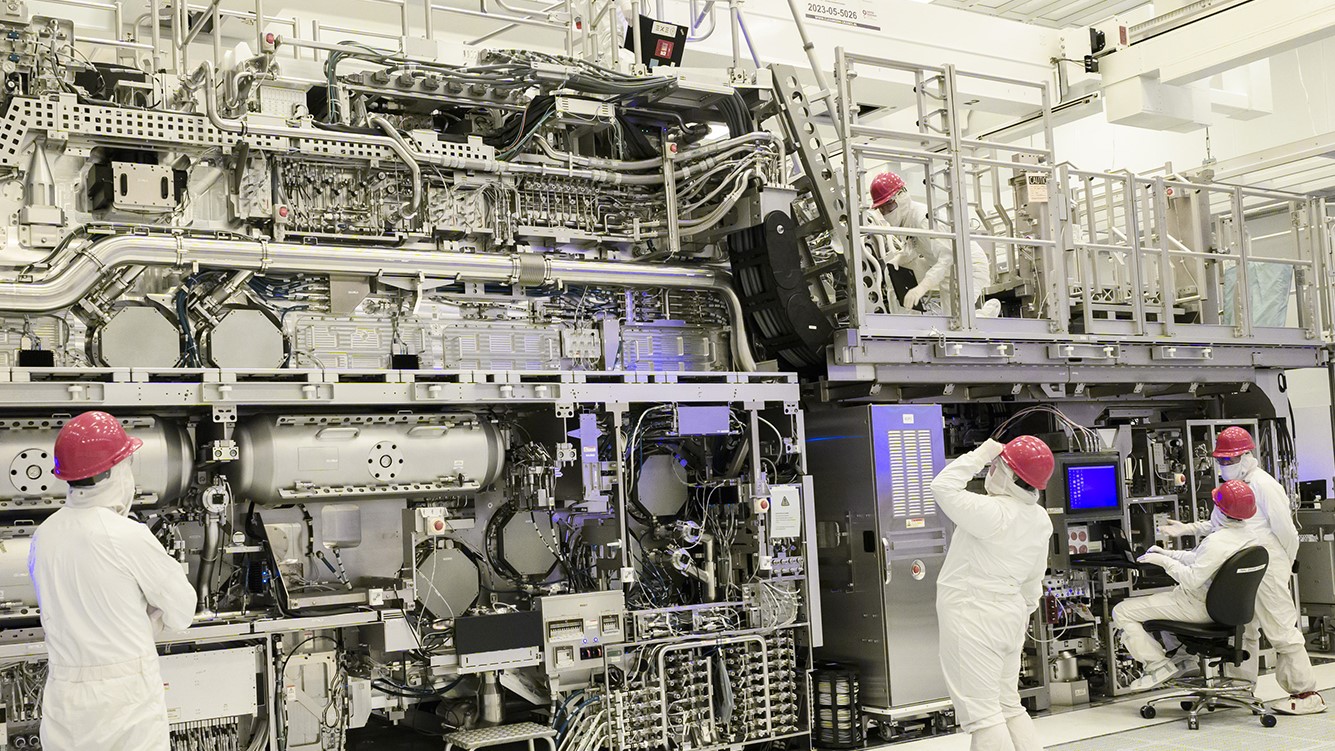
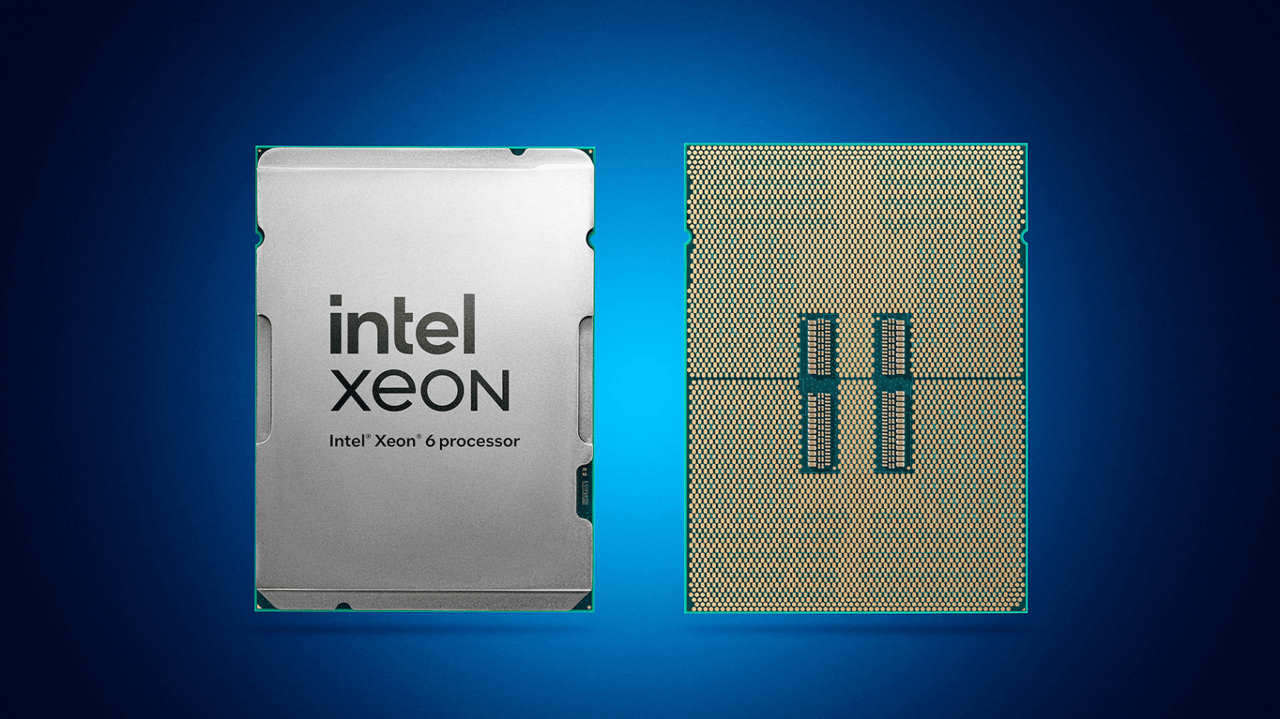
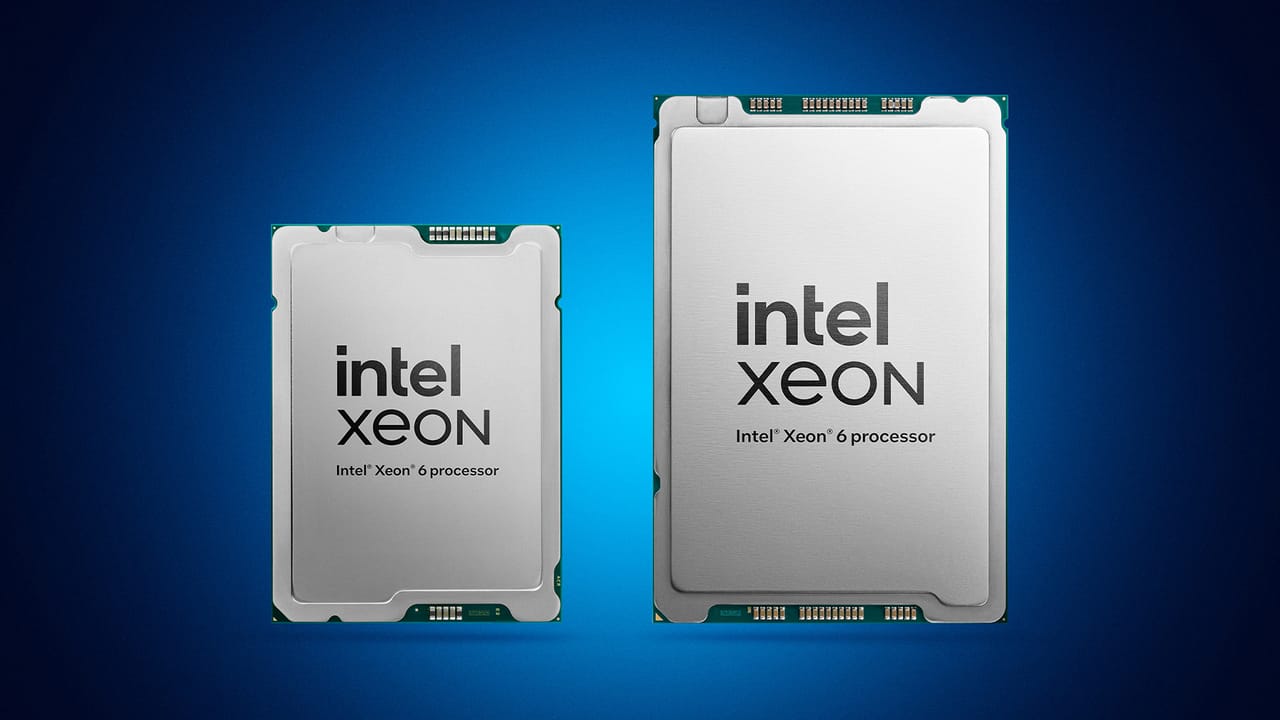
Intel is investing heavily in AI accelerators and foundry services to regain market leadership.
AI-focused initiatives:
While Intel’s turnaround is ongoing, AI remains central to its long-term growth strategy.
The AI semiconductor rally is not isolated. It’s creating ripple effects across related sectors:
This creates a multi-layered investment theme centered on AI infrastructure.
Despite the optimism, semiconductor stocks remain cyclical and sensitive to external factors:
AI demand is strong, but market expectations are even stronger—making volatility a key factor.
Unlike previous tech cycles, AI is deeply embedded across industries—healthcare, finance, manufacturing, entertainment, and education. This suggests semiconductor growth may be more structural than cyclical in this phase.
The future likely includes:
Semiconductors are no longer just a tech sector—they are geopolitical assets.
Semiconductor stocks are rising because AI demand is not slowing—it is accelerating. As generative AI, automation, and machine learning reshape global industries, chipmakers sit at the center of this transformation.
Companies like NVIDIA, AMD, TSMC, and Intel are benefiting directly from AI infrastructure expansion, while broader supply chain players also experience momentum.
For investors and tech observers alike, the semiconductor sector remains one of the clearest ways to gain exposure to the AI revolution.